Introduction
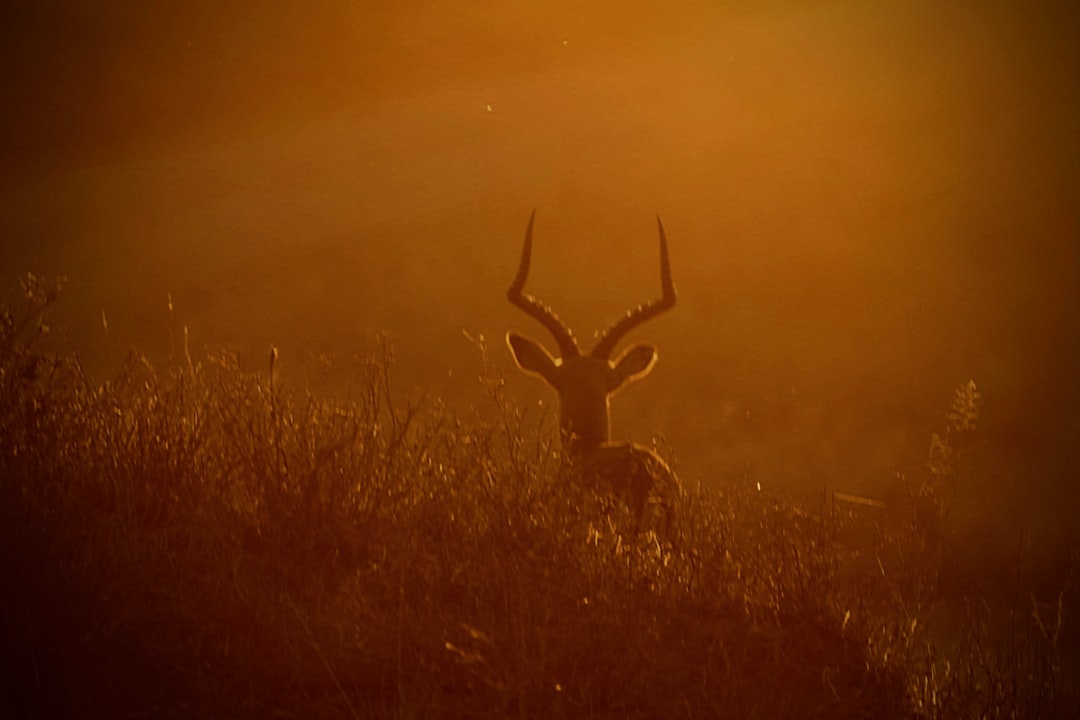
The pursuit of Wildlife photography best photos has become one of the most compelling and widely followed areas of modern photography, drawing in both professionals and enthusiasts who are captivated by the challenge of documenting animals in their natural environments. As interest in nature and conservation continues to grow, so too does the desire to capture meaningful, authentic wildlife imagery that goes beyond simple documentation and instead reflects the emotion, power, and unpredictability of the natural world. Organizations such as the Royal Photographic Society have highlighted the increasing global participation in wildlife photography, reinforcing its position as a genre that blends technical precision with patience, environmental awareness, and artistic vision.
What makes wildlife photography truly unique is the absence of control. Unlike studio or even landscape photography, where conditions can often be anticipated or adjusted, wildlife photography demands that the photographer adapt continuously to changing circumstances, whether that involves shifting light, unpredictable animal behaviour, or fleeting moments that can vanish in seconds. In regions like Alberta, where vast landscapes intersect with diverse ecosystems, the opportunity to capture extraordinary wildlife images is abundant, yet the difficulty of doing so at a high level remains significant. This combination of challenge and reward is precisely what defines the journey toward capturing what many would consider the Wildlife photography best photos.
Meet Andy Denton: A Passionate Wildlife Photographer
At the heart of Jardene Photography is Andy Denton, a dedicated and accomplished wildlife photographer whose work reflects both technical mastery and a deep respect for the natural world. Andy Denton, originally from England, is the owner of Jardene Photography, based in the Canadian Rockies. With a passion for fast-action sports like skiing and mountain biking, he initially started capturing moments of amateur ski racers, including his daughters. Gradually honing his skills through high-level photography courses, Andy ventured into fine art photography, which led to numerous award-winning images.
A Platinum member of Canon Professional Services, Andy exclusively utilizes Canon products, employing the Canon EOS R5 as his primary camera and the Canon EOS 5D Mark III as a backup. His photography has garnered accolades, including awards from FAPA, ND Awards, and the Epson Pano Awards. He further elevated his craft by joining the Master Photographers International and earning a Craftsman degree in Nature Photography, which counted toward his Master’s in Nature Photography and Fine Art Photography. Andy’s expertise as a nature photographer continues to captivate and inspire him, earning him recognition for his exceptional work.
This background, rooted in both action photography and fine art, informs Andy’s approach to capturing the Wildlife photography best photos, where timing, instinct, and composition must align within moments that cannot be recreated or staged.
Iconic Wildlife Subjects Captured by Jardene Photography
The collection of wildlife images produced by Jardene Photography focuses on some of the most iconic and powerful animals found in Alberta, each presenting its own unique challenges and opportunities. Subjects such as the Young Bull Moose, The Boss Banff Bear, Great Gray Sitting, Saw Whet Owl Photo, and Bull Elk Picture represent not only the diversity of the region but also the technical and situational demands required to capture them successfully.
Photographing a young bull moose, for instance, requires working in an environment where the animal’s size and unpredictability demand both distance and awareness, particularly when it is moving toward the photographer. The defining moments often occur when the moose pauses briefly, lifting its head and making eye contact, creating a connection that transforms the image into something far more compelling than a simple wildlife record.
Similarly, capturing a dominant bear in Banff National Park requires not only technical readiness but also a deep understanding of animal behaviour and safety. Bears move quickly through their environment, and the opportunity to capture a strong, composed image may last only seconds. The ability to remain calm, maintain proper distance, and react instantly is essential when pursuing the Wildlife photography best photos in such scenarios.
Owls, including the Great Grey Owl and the Northern Saw-whet Owl, introduce a different set of challenges. Unlike large mammals, these birds rely on stillness and camouflage, making them difficult to locate and even more difficult to photograph in a clean and unobstructed composition. The moment often comes when the owl pauses and directs its gaze forward, offering a brief but powerful opportunity to capture a portrait that conveys precision and calm intensity.
The bull elk, another iconic subject, presents a balance of movement and structure, particularly when the animal is walking toward or past the photographer. The presence of large antlers, combined with posture and awareness, creates a visually striking subject, but once again, the window to capture the ideal moment is extremely limited. These experiences collectively demonstrate that achieving the best wildlife photography photos is not about luck alone, but about preparation, positioning, and the ability to respond within a fraction of a second.
Tips for Capturing the Wildlife Photography Best Photos
Photographers seeking to create their own best wildlife photography photos must develop a combination of technical skill, field awareness, and ethical responsibility, all of which are consistently emphasized by experienced professionals such as Robert Berdan and Brian Merry.
Preparation is perhaps the most critical factor. Successful wildlife photography often begins long before the camera is even raised, involving research into animal behaviour, scouting locations, and ensuring that all equipment is ready for immediate use. Early morning conditions, particularly in spring and summer, are widely regarded as optimal due to increased animal activity and favourable lighting conditions. During these times, photographers must remain alert, as opportunities may arise suddenly and disappear just as quickly.
Equally important are ethical considerations. Respecting wildlife is fundamental, not only for the safety of the photographer but also for the well-being of the animals. Maintaining a safe distance, avoiding any form of baiting, and allowing animals to behave naturally are essential practices. As highlighted in discussions within the wildlife photography community, unethical actions such as feeding animals can lead to long-term harm and even fatal consequences for wildlife populations.
From a technical perspective, the use of long telephoto lenses, typically 500mm or greater, enables photographers to capture detailed images while maintaining a safe distance. Fast shutter speeds are necessary to freeze motion, particularly when animals are moving toward or past the camera, while continuous autofocus systems help track subjects in dynamic situations. These technical choices are not optional but essential when striving to produce the best wildlife photography under real-world conditions.
Weather and lighting also play a significant role. While bright, sunny conditions can produce clean and vibrant images, more subtle lighting—such as the soft, directional light of early morning—often enhances depth and mood. Cooler temperatures can also increase wildlife activity, providing more opportunities for meaningful encounters. Understanding how to adapt to these environmental factors is a key component of advancing as a wildlife photographer.
Showcasing Jardene Photography’s Wildlife Prints
The transition from capturing an image in the field to presenting it as a fine art print represents an important step in the photographic process, particularly for those images that qualify as Wildlife photography best photos. At Jardene Photography, this transition is approached with the same level of care and attention to detail as the original capture, ensuring that each print reflects the quality, clarity, and emotional impact of the moment.
Wildlife prints serve not only as visual representations of animals but also as artistic interpretations of real encounters in nature. They allow viewers to experience the presence, scale, and character of wildlife within their own spaces, transforming fleeting moments into lasting impressions. Whether displayed in homes, offices, or galleries, these prints offer a connection to the natural world that extends beyond the photograph itself.
Explore More Wildlife Photography at Jardene Photography
For those interested in exploring a broader collection of wildlife imagery, Jardene Photography offers an extensive range of fine art prints that showcase the diversity and beauty of Alberta’s wildlife. From large mammals such as moose, elk, and bears to more elusive subjects like owls, each image reflects the dedication and experience required to capture authentic moments in the wild.
Exploring this collection provides insight into the level of effort and expertise involved in producing the Wildlife photography best photos, while also offering opportunities to bring these moments into personal or professional spaces through high-quality prints. Our Wildlife photographer prints showcase our fine art prints, while the Wildlife Photography Prints for Sale is our wildlife shop.
Conclusion
The journey toward capturing the best wildlife photography photos is defined by patience, persistence, and a willingness to embrace uncertainty. Unlike other forms of photography, wildlife photography offers no guarantees, requiring photographers to spend countless hours in the field for moments that may last only seconds.
Yet it is precisely this challenge that makes the results so rewarding. Each successful image represents not only technical achievement but also a genuine interaction with the natural world, a moment of connection that cannot be staged or repeated.
For photographers, the process is ongoing, with each experience contributing to a deeper understanding of both the craft and the environment. For viewers and collectors, these images provide a window into the wild, offering a sense of presence and authenticity that defines the very essence of wildlife photography.
As you continue to explore and develop your own work, remember that the Wildlife photography best photos are not simply captured—they are earned through time, effort, and a deep respect for the subjects being photographed.