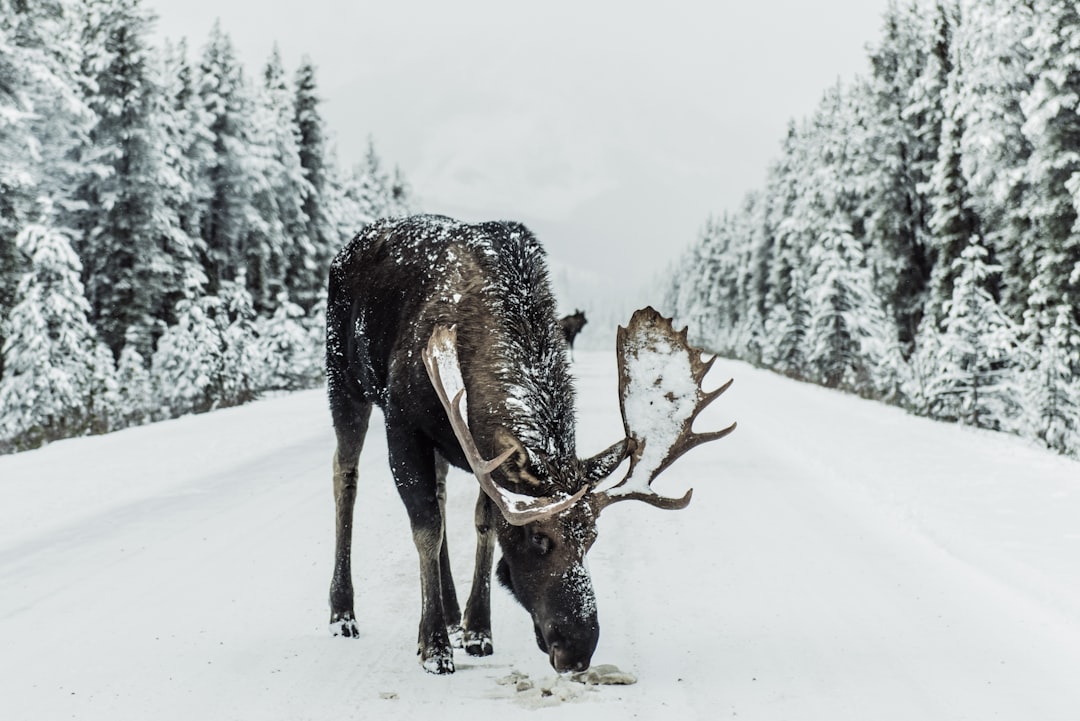
Canadian wildlife photography is about far more than owning expensive camera gear or stumbling across animals by chance while hiking through the wilderness. At its core, it depends on patience, preparation, environmental awareness, and an understanding of animal behaviour so you can create authentic images responsibly and safely. Whether you are a beginner learning the basics or an experienced photographer refining your field skills, knowing how wildlife moves, reacts, feeds, and responds to human presence matters more than any camera body or telephoto lens.
For anyone passionate about photographing wildlife in this country, Canada is one of the world’s premier wildlife photography destinations. Across Arctic, boreal, and coast environments shaped by raw nature, the country offers extraordinary opportunities to photograph everything from bull elk in the Rocky Mountains to bison on prairie grasslands and bald eagles above frozen lakes, while four distinct seasons continually reshape landscapes and wildlife behaviour. Getting strong images in these conditions takes more than luck, so this guide explores animal behaviour, essential gear, planning and research, lesser-known subjects, weather and safety, and the patience and respect that protect both photographers and wildlife.
One encounter near the Bow River in Canmore perfectly illustrates the importance of reading wildlife behaviour. Walking quietly along a trail with camera gear ready, I suddenly rounded a corner and found myself face-to-face with a massive bull elk. There was no warning and very little distance separating us. In moments like this, instinct matters, but preparation matters even more. Instead of panicking or making sudden movements, I immediately lowered my body posture, made myself appear less threatening, and slowly dropped to my knees while raising my camera. The elk stood still, curious rather than defensive, allowing me to capture frame after frame in beautiful natural light. That encounter reinforced a lesson that every photographer should understand: successful Canadian wildlife photography begins with understanding the animal in front of you.
Understanding Animal Behaviour: The Real Secret to Better Wildlife Photography
Many beginning photographers believe that professional wildlife images are created simply by using expensive lenses and advanced camera bodies. While equipment plays a role, understanding wildlife behaviour is often what separates a memorable photograph from a missed opportunity—or worse, a dangerous situation.
Animals constantly communicate through body language, and learning to recognize those signals can dramatically improve both your photography and your safety in the field. In Canadian wildlife photography, paying attention to posture, movement, vocalizations, and environmental cues allows photographers to anticipate behaviour before it happens.
For example, elk often communicate their comfort level through ear position, stance, and eye movement. A relaxed elk may continue feeding or curiously observe its surroundings, while an agitated elk will stiffen, pin its ears back, or begin displaying territorial behaviours. Recognizing these subtle changes gives photographers time to reposition or retreat safely.
Large mammals such as bison, moose, and bears can become unpredictable if they feel threatened or cornered. At Elk Island National Park, I once watched a bison charge several visitors after they unknowingly blocked its escape route while attempting to take photographs. The warning signs had been obvious to anyone paying close attention: raised tail, lowered head, pacing, and pawing at the ground. Unfortunately, many people become so focused on getting the perfect image that they ignore the animal’s comfort level.
Wildlife photographer Prints requires photographers to think beyond composition and camera settings. Respecting personal space and understanding wildlife behaviour often leads to better photographs because animals behave more naturally when they do not feel pressured by human presence.
Essential Gear That Actually Improves Wildlife Images
One of the biggest misconceptions surrounding Canadian wildlife photography is that success depends entirely on owning the most expensive gear available. While professional equipment can certainly help, several pieces of equipment consistently make a greater difference than upgrading to the newest camera body.
Stability is one of the most overlooked elements in wildlife photography. A lightweight but durable tripod or monopod can dramatically improve sharpness, particularly during early morning or evening photography sessions when light levels are low. Since wildlife activity often peaks during sunrise and sunset, photographers frequently work with slower shutter speeds that increase the risk of camera shake.
Personally, I prefer using a monopod when shooting with heavier prime telephoto lenses. Wildlife photography often requires long periods of waiting and mobility, especially when hiking through Alberta’s backcountry or uneven mountain terrain. A monopod offers greater flexibility while still providing stability when tracking moving animals.
Preparation is equally important. Before every wildlife outing, it helps to prepare your gear the night before. Charge camera batteries, format memory cards, clean lenses, and organize camera bags so you can respond quickly when opportunities arise. Wildlife encounters rarely happen on schedule, and missed moments often come down to poor preparation rather than bad luck.
Why Planning Matters More Than Luck
A common myth about Canadian wildlife photography is that photographers simply wander into the wilderness and happen to find extraordinary wildlife moments. While occasional lucky encounters do happen, the majority of successful wildlife photography is built around research and planning.
Understanding seasonal wildlife patterns can transform your results. Moose activity, for example, often increases during rutting season, while bison movements may vary depending on grazing patterns and temperature. Bald eagles are often easier to locate near open water during colder months and into April, while migratory birds can create major migration spectacles during spring and autumn migrations. Point Pelee is a key place where birds land during migration, and over 390 bird species have been recorded there.
Rather than hoping wildlife will appear, experienced photographers study habitats, movement corridors, feeding locations, and preferred activity times. Early mornings and late evenings are typically the most productive times for Canadian wildlife photography because animals tend to move more during cooler temperatures and softer light conditions.
Crowding has also become an increasing issue in popular wildlife locations. Social media and GPS-tagged photography spots often lead to groups of photographers gathering around wildlife, which can stress animals and negatively impact natural behaviour. Choosing quieter areas, exploring less-travelled locations, and spending time researching overlooked habitats often produce more rewarding photography experiences and more authentic wildlife images.
Canadian Wildlife Photography: Most Underrated Subjects, Including Spirit Bears
When people think of Canadian wildlife prints, they often imagine iconic species like bears, wolves, or moose, and in the Canadian Rockies that can just as easily mean elk or bighorn sheep. While these animals are undoubtedly impressive subjects, some of the most rewarding photography opportunities come from species that many photographers overlook.
Canada’s marine wildlife also offers remarkable variety, from orcas to humpback whales and seals.
Birds of prey are a perfect example. In Alberta, many photographers focus heavily on owls, often travelling long distances to capture images at heavily photographed locations. Yet hawks, eagles, osprey, and falcons frequently provide equally dramatic photographic opportunities with far less competition.
A well-composed eagle portrait against dramatic mountain scenery or an action image of a hawk diving toward prey often stands out because fewer photographers pursue these moments. Raptors require patience and fieldcraft, but they reward photographers with striking, powerful imagery that feels distinctly wild and authentic.
Smaller wildlife subjects can also create compelling images. Foxes moving through fresh snow, chickadees feeding in winter forest, or deer standing in soft morning mist can tell powerful visual stories that showcase the diversity of Canada’s ecosystems.
Other standout subjects include polar bears, coastal wolves, and spirit bears, with the Great Bear Rainforest in British Columbia especially known for black bears and spirit bears and best visited in June and fall. Northern British Columbia also has one of the highest concentrations of grizzly bears. The Khutzeymateen Grizzly Sanctuary there is Canada’s first grizzly bear sanctuary.
Newfoundland is a strong choice for Atlantic puffins and humpback whales, and it is ideal for seabird photography from May to September, with seabird workshops available during that period. Vancouver Island, farther west than Churchill in the north, is well known for bald eagles and gray whales, and it offers wildlife photography workshops year-round for beginner and intermediate photographers planning a dedicated trip.
Wildlife Safety Must Always Come First
No wildlife photograph is worth compromising personal safety or disturbing an animal’s well-being. In Canadian wildlife photography, safety should always guide decision-making, and understanding animal behaviour helps you stay safer while improving your results.
Before setting up for a shot, always consider your surroundings and identify clear escape routes. Avoid positioning yourself too close to an animal, and always maintain safety distances from large animals or place yourself between wildlife and an exit path. Animals that feel trapped are far more likely to react aggressively.
During close encounters, maintaining calm body language can make an enormous difference. Sudden movements often trigger defensive reactions, while slow, deliberate actions help avoid escalating tension. In many situations, appearing smaller and backing away gradually is safer than turning and running.
Long lenses are valuable not only for creating close-up images but also for maintaining a respectful distance. As an ethical wildlife photography practice, this distance helps support natural behaviour and ensures animals remain undisturbed while also protecting both photographers and animals.
Preparing for Canada’s Unpredictable Weather in the Great Bear Rainforest
Anyone pursuing Canadian wildlife photography quickly learns that weather conditions can change dramatically and without warning, often bringing dramatic lighting that reshapes the scene’s atmosphere, its energy, and the kinds of photos you can make. Mountain regions in particular are known for rapid shifts in temperature, wind, rain, and snow, and Canada’s four distinct seasons also influence wildlife behaviour from one outing to the next.
Dressing in layers is essential. Even if a morning begins warm and calm, conditions may quickly deteriorate by afternoon. Waterproof outerwear, insulated layers, extra gloves, and protective camera covers can make the difference between ending a shoot early and continuing comfortably. Low sun during golden hour can also create soft reflections and shadows that improve wildlife images.
Photographers should also research seasonal conditions before heading into remote areas. Snowpack, road closures, and wildlife movement patterns vary significantly throughout the year, especially in mountainous environments.
Building Success Through Patience and Respect
The most memorable moments in Canadian wildlife photography rarely happen instantly. They often come after hours of waiting, careful observation, and quiet patience in unpredictable conditions.
That close encounter with the bull elk near Canmore remains memorable not simply because of the images captured, but because the experience reinforced the importance of preparation and respect. By understanding the elk’s body language and responding appropriately, the encounter remained calm and productive rather than dangerous.
For photographers beginning their journey into Canadian wildlife photography, the most important investment is not necessarily a new camera or expensive lens—it is time spent learning animal behaviour, understanding habitats, and practising patience in the field. That same approach helps produce museum-quality wildlife prints created with ethical fieldcraft.
The best wildlife photographs often come when preparation meets opportunity. By researching locations, respecting wildlife boundaries, preparing for changing conditions, and focusing on animal behaviour first, photographers can create meaningful images that capture the true spirit of Canada’s wild landscapes and extraordinary wildlife, and wildlife photographers in Canada often prioritize environmental storytelling so each image also carries a deeper story rooted in habitat awareness. Limited edition fine art prints are available, showcasing wildlife, landscapes, and bison scenes as art, with prices from CAD $125 to $850. A portion of print sales supports conservation initiatives, including 15% of profits donated to wildlife conservation efforts, and collaborative projects have raised $575,000 for conservation. That commitment reflects both passion and hope.