Capturing Canada’s Wild: A Guide to Stunning Wildlife Photography
Canada’s vast landscapes are a playground for wildlife photographers. Discover tips and techniques to capture stunning wildlife moments in this breathtaking wilderness.
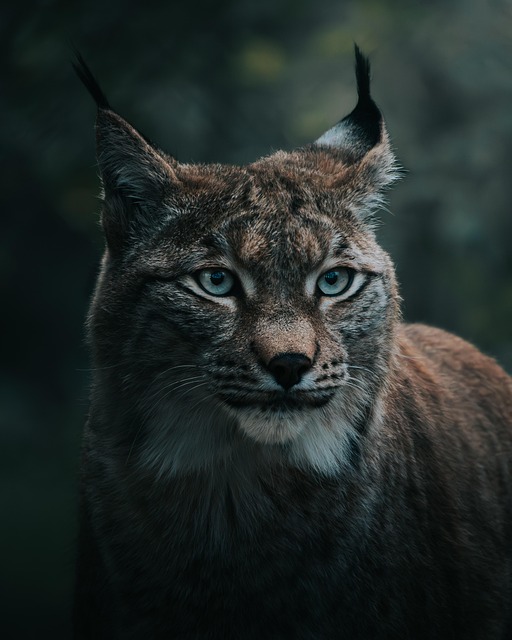
Best Locations for Wildlife Photography in Canada
Canada’s sheer geographical diversity makes it a haven for Canadian wildlife photographers seeking to capture nature at its most vivid and raw. From the rugged coastlines of the Atlantic Provinces to the serene, towering Rockies and the expansive tundra of the North, each region offers a unique set of habitats teeming with wildlife. The Pacific Rim National Park Reserve in British Columbia, for instance, is a prime location to photograph black bears, sea otters, and the majestic bald eagle. Here, the temperate rainforest meets the Pacific Ocean, creating a unique backdrop for your wildlife shots.
Moving to the heart of the country, Banff and Jasper National, our parks in Alberta, are iconic for their stunning mountainous terrain and diverse wildlife population. Elk, grizzly bears, and mountain goats are commonly spotted, offering countless opportunities for dynamic and awe-inspiring photographs. The Icefields Parkway, which connects these two parks, is a photographer’s dream come true with its panoramic vistas and abundant wildlife.
In the eastern part of Canada, the Cape Breton Highlands in Nova Scotia and the Algonquin Provincial Park in Ontario are must-visit spots. Cape Breton is renowned for its moose and bald eagles, while Algonquin is home to a rich array of species, including beavers, wolves, and moose. Both locations provide a mix of forested areas, wetlands, and open spaces, allowing for varied and captivating shots.
Essential Gear for Wildlife Photographers
Embarking on a Canadian wildlife photography adventure in Canada necessitates a well-thought-out selection of gear to ensure you’re prepared for any situation. At the heart of your kit should be a reliable DSLR or mirrorless camera, capable of shooting in rapid succession and handling high ISO settings. This is crucial for capturing fast-moving animals in low-light conditions, often experienced in dense forests or during dawn and dusk.
Lenses are another critical component. A versatile telephoto lens, such as a 100-400mm, allows you to photograph animals from a safe distance without disturbing them. For macro photography enthusiasts, capturing the intricate details of smaller creatures like insects or amphibians, a good quality macro lens is indispensable. Additionally, a sturdy tripod can stabilize your shots, especially when using long lenses or shooting in low-light conditions.
Other essential gear includes extra batteries and memory cards, as wildlife photography can demand extensive shooting sessions. Weather-resistant clothing and gear protection are also vital, given Canada’s varied and often unpredictable weather conditions. Lastly, a good pair of binoculars can help you spot wildlife from afar, allowing you to plan your shots more effectively.
Understanding Animal Behaviour for Better Shots
Understanding animal behaviour is pivotal in capturing authentic and breathtaking Canadian wildlife photography. By studying and observing how animals interact with their environment, you can anticipate their movements and be in the right place at the right time. For instance, knowing that moose are more active during early morning and late afternoon can help you plan your shoots for the best light and animal activity.
Birds, such as the iconic Canada goose or the elusive snowy owl, have specific patterns and habits that, if understood, can dramatically enhance your photography. Learning about migration patterns, feeding times, and mating rituals can provide you with opportunities to capture these animals in their natural and often most photogenic states. Observing from a distance and using your telephoto lens allows you to document these behaviours without intruding on their space.
Additionally, understanding signs of stress or agitation in animals is crucial for both ethical photography and safety. Signs such as raised fur, growling, or sudden movements indicate that the animal is uncomfortable, and it’s time to back off. Respecting these boundaries not only ensures your safety but also fosters a more respectful and ethical approach to wildlife photography.
Tips for Capturing Stunning Wildlife Images
Capturing stunning wildlife images requires a blend of technical skill, creativity, and a deep appreciation for the natural world. One essential tip is to focus on the eyes of the animal. Sharp, well-lit eyes can bring life and emotion to your photographs, creating a connection between the viewer and the subject. Utilizing a shallow depth of field can further enhance this effect by blurring the background and making the eyes stand out.
Lighting is another critical aspect. Natural light, especially during the golden hours of sunrise and sunset, can add a magical quality to your images. Side lighting can highlight the textures and details of an animal’s fur or feathers, while backlighting can create dramatic silhouettes. Experimenting with different lighting conditions can help you discover unique perspectives and compositions.
Composition is equally important. The rule of thirds, leading lines, and framing are classic techniques that can guide the viewer’s eye and create more engaging photographs. Including elements of the animal’s habitat can also add context and tell a more comprehensive story. For example, a bear fishing in a river or a bird building its nest adds layers of narrative to your images.
The Importance of Patience and Timing
Patience and timing are perhaps the most vital attributes a wildlife photographer can possess. Nature operates on its own schedule, and capturing the perfect shot often requires waiting for extended periods. This means being prepared to spend hours, sometimes days, in the same location, observing and waiting for the right moment to unfold. The patience to wait can lead to capturing rare and intimate moments that fleetingly occur in the wild.
Timing is also about understanding the rhythms of nature. Knowing the best times of the day or year to photograph certain species can significantly enhance your chances of success. Early mornings and late afternoons are often the best times to catch animals when they are most active. Seasonal changes can also provide unique opportunities; for instance, photographing caribou during their migration or capturing the vibrant plumage of birds during mating seasons.
Your presence in nature should be as unobtrusive as possible. Moving slowly and quietly, using natural cover, and even employing camouflage can help you get closer to your subjects without startling them. This patience and respect for the animals’ space allow you to capture more natural and authentic behaviours, resulting in more compelling and ethical wildlife photographs.
Ethical Considerations in Wildlife Photography
Ethical considerations are paramount in Canadian wildlife photography, as the welfare of the animals and their habitats should always take precedence over getting the perfect shot. One fundamental principle is to keep a respectful distance from the wildlife. Using long lenses can help achieve close-up shots without intruding into the animals’ space or causing them stress. Disturbing animals can lead to altered behaviours, stress, and even abandonment of nests or young.
Another critical aspect is to never bait or feed wildlife to get a shot. This can disrupt their natural feeding patterns and make them dependent on human-provided food, which can be harmful. It’s also important to tread lightly on the environment, staying on designated paths to avoid damaging delicate ecosystems. Always leave no trace and pack out everything you bring in.
Respecting local regulations and guidelines is also essential. Many parks and wildlife reserves have specific rules to protect the flora and fauna. Adhering to these rules not only ensures your safety but also helps preserve these beautiful landscapes for future generations. Educating yourself and others about these ethical practices fosters a community of responsible wildlife photographers who prioritize the well-being of the natural world.
Editing Techniques to Enhance Wildlife Photos
Editing is an integral part of the wildlife photography process, allowing you to enhance and refine your images while staying true to the scene you captured. One fundamental aspect of editing is adjusting the exposure. Wildlife photography often involves shooting in challenging lighting conditions, so fine-tuning the exposure can help bring out the details in both shadows and highlights.
Colour correction and white balance adjustments are also crucial. These adjustments ensure that the colours in your image are accurate and vibrant, reflecting the true beauty of the scene. For instance, adjusting the white balance can correct the colour cast caused by different lighting conditions, making your photos look more natural. Similarly, enhancing the saturation and vibrancy can make the colours of an animal’s plumage or fur stand out.
Sharpening and noise reduction are other essential editing techniques. Wildlife photos often require cropping to focus on the subject, which can sometimes introduce noise and reduce sharpness. Using sharpening tools can help you bring back the details, while noise reduction software can clean up the image, especially if it was shot at a high ISO. Always aim for a balance, avoiding over-editing to maintain the natural look of your photographs.
Showcasing Your Wildlife Photography: Portfolio and Social Media
Creating a portfolio and utilizing social media are excellent ways to showcase your wildlife photography and reach a broader audience. A well-organized portfolio, either online or in print, can highlight your best work and demonstrate your skills and style. When creating a portfolio, include a variety of shots that showcase different species, behaviours, and environments, reflecting your versatility as a photographer.
Social media platforms like Instagram, Facebook, and Twitter are powerful tools for sharing your work and connecting with other wildlife enthusiasts and photographers. Regularly posting high-quality images with engaging captions can help you build a following. Use relevant hashtags and engage with your audience by responding to comments and participating in wildlife photography communities.
Collaborating with other photographers, participating in photo contests, and seeking publication in wildlife magazines can also boost your visibility. Additionally, consider creating a personal website or blog to share the stories behind your photos, tips, and experiences. This not only showcases your work but also establishes you as an authority in wildlife photography.
Conclusion: Embracing the Beauty of Canadian Wildlife
Canadian Wildlife photography offers a unique blend of challenge and reward, with the country’s diverse landscapes providing endless opportunities to capture Alberta Nature prints. By exploring the best locations, understanding animal behaviour, and utilizing the right gear and techniques, you can enhance your ability to photograph wildlife in its natural habitat. Patience, ethical practices, and a commitment to continuous learning are essential in this journey.
The beauty of wildlife photography lies not just in the images you capture, but in the experiences and connections you make with nature. Each photograph is a testament to the moments of awe and wonder you witness, and a reminder of the importance of preserving these wild spaces and their inhabitants. Whether you’re a seasoned professional or a passionate amateur, embracing the beauty of Canadian wildlife through your lens is a rewarding and enriching pursuit.
As you continue to develop your skills and build your portfolio, remember to share your knowledge and passion with others. Inspire a greater appreciation for wildlife and conservation through your work, and contribute to a community of photographers who prioritize the well-being of the natural world. Ultimately, capturing Canada’s wild is about more than just photography; it’s about fostering a deeper connection with nature and advocating for its protection for future generations.
Please see our contact page to inquire about our prints.
Frequently Asked Questions About Canadian Wildlife Photography at Jardene Photography
1. What wildlife photography prints does Jardene Photography offer?
Jardene Photography offers premium wildlife photographer prints from Canada featuring iconic animals found across the Canadian Rockies and beyond. Popular subjects include elk, bison, bears, bald eagles, owls, moose, foxes, and mountain wildlife captured in their natural habitats.
2. Where are Jardene Photography’s wildlife images taken?
Most wildlife photographs are captured throughout the Canadian Rockies, including Alberta and British Columbia, such as Banff National Park, Jasper National Park, Kananaskis Country, Canmore, and surrounding wilderness areas. Each image reflects authentic moments in nature.
3. Can I buy Canadian wildlife photography prints online?
Yes. Jardene Photography offers wildlife photography prints for sale online from Canada, making it easy to order fine-art wildlife images for homes, offices, cabins, or as gifts. Prints are professionally produced to showcase exceptional detail and colour.
4. What animals are featured in Jardene Photography’s wildlife portfolio?
Jardene Photography captures a wide variety of Canadian wildlife, including grizzly bears, black bears, elk, deer, bighorn sheep, bald eagles, owls, wolves, foxes, moose, bison, mountain goats, and many native bird species.
5. Are Jardene Photography wildlife prints available in different sizes?
Yes. Many wildlife photography prints are available in multiple sizes and formats to suit different spaces and décor styles. Whether you are looking for a statement wall piece or a smaller framed print, there are options available.
6. What makes Jardene Photography different from stock wildlife photography?
Every image at Jardene Photography is professionally captured in the field through patience, wildlife knowledge, and ethical photography practices. Unlike generic stock photography, these images reflect real Canadian wildlife encounters and limited-edition fine art quality.
7. Does Jardene Photography use ethical wildlife photography practices?
Absolutely. Ethical wildlife photography is a core part of Jardene Photography. Animals are photographed responsibly without baiting, disturbing, or interfering with their natural behaviour. Respecting wildlife and natural habitats always comes first.
8. Can Canadian wildlife photography prints make good gifts?
Wildlife photography prints make excellent gifts for nature lovers, outdoor enthusiasts, wildlife enthusiasts, and anyone who appreciates Canada’s landscapes and animals. They are popular for homes, offices, lodges, and vacation properties.
9. Does Jardene Photography sell limited edition wildlife prints?
Yes, Jardene Photography is starting to sell limited-edition wildlife photography prints available as fine art prints, offering collectors exclusive artwork with exceptional print quality and attention to detail.
10. Why choose Jardene Photography for Canadian wildlife photography?
Jardene Photography combines professional photography experience with a deep understanding of Canadian wildlife and the landscapes of the Rockies. Each image is created to tell a story, preserve a moment in nature, and bring the beauty of Canada’s wildlife into your home.