Click the categories, below, for the shop.
- Calendar3 products
- Fine Art Bison Photography Prints for Sale18 products
- Landscape18 products
- limited7 products
- Wildlife36 products
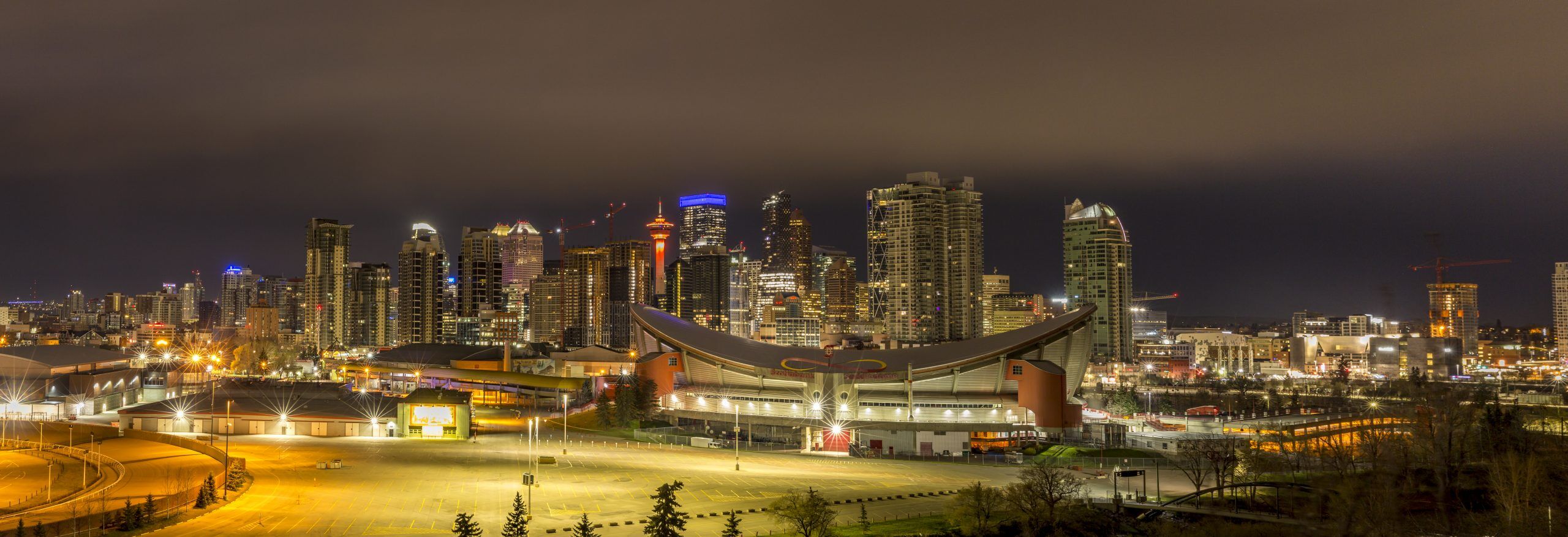
Listed below is a selection of Jardene Photography’s most popular panorama photographs. If you wish to order any of these panorama photographs, please contact us at Jardene Photography.
Panorama Photography: Photos Captured by Andy Denton
Panoramic Photography and Panoramic Images Gallery
Panoramic photography can capture everything from partial panoramas and a sweeping horizontal panorama to a full 360-degree environment, and panorama photos or panoramic images can show a wider scene with a broader wide view than a standard frame; this wide format photography approach also includes 180-degree panoramas that cover a full 180 degrees horizontally. In landscape photography, it creates a more immersive result than standard images, but panoramas require more planning than a standard photograph and differ from fixed aspect ratios because aspect ratio choices such as 2:1, 3:1, and 4:1 affect composition and print display in panorama photography. Modern digital cameras can create high-resolution images suitable for a large print, and the final image may be assembled from multiple images rather than one image.
Photographers usually photograph panoramas by using a camera to capture 7-10 individual images or pictures with 30% to 50% overlap; an important point is that 50% overlap often makes sense for better stitching accuracy. For shooting panoramas, using portrait orientation or portrait mode can produce more pixels, more sky, and a better long image for a horizontal panorama or vertical panorama depending on the space.
To create panoramas cleanly, keep the camera level on a sturdy tripod, ideally with a levelling base, tripod head, ball head, or geared tripod head; a panoramic head or nodal rail slide is a go-to support option that helps reduce parallax errors while you rotate around the nodal point. When you shoot, use manual focus to keep focus steady, lock white balance instead of relying on auto white balance, maintain even light, and capture in RAW so stitched images are cleaner and post-processing is easier. Stitching software can stitch the images together, combine overlapping photographs, correct some lens distortion and some parallax issues, and Photoshop is a common example. Spherical panoramas are converted to square images using post-processing.
Moving objects can distort the resulting images, and a wide-angle lens can also introduce distortion if the frame is not handled carefully. Panorama photography also works with both digital photography and film, and a panoramic camera or rotating lens system can produce images in a single exposure on a curved film plane without specialized equipment being required for most photographers. Panoramas can be horizontal or vertical, and the panoramic process can leave the photograph cropped after stitching, while the finished photo can still print large and adapt into panoramic pictures for wall display or a long image for digital use. Mastering how to create this format can open a whole new world for photographers who want to create panorama photography beyond a single photo.