
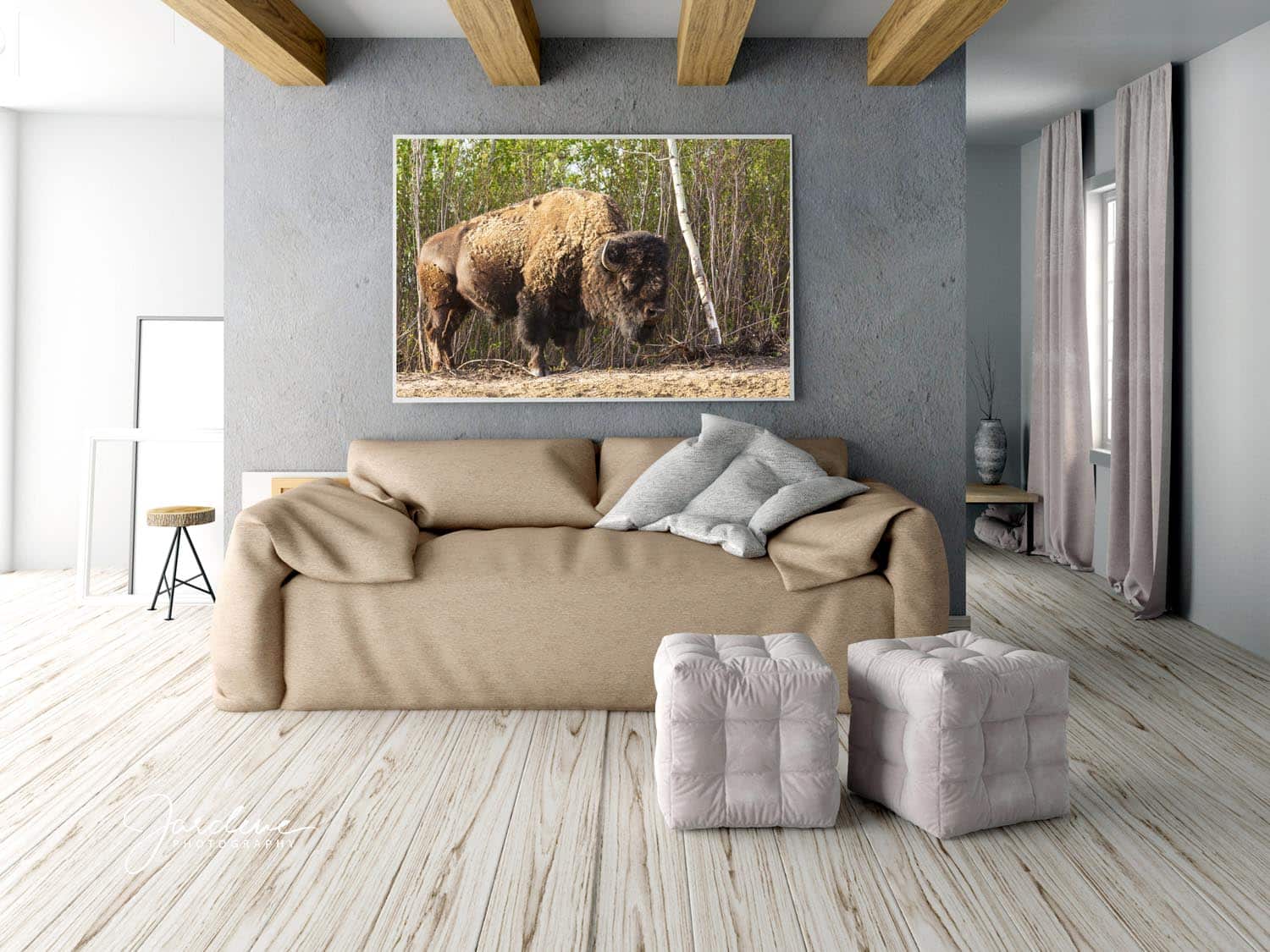
Bison Winter Coat
Price range: $125.00 through $850.00
Bison Winter Coat can be printed on Fine Art Paper, Canvas, Metallic or Acrylic. Fine art prints are available in four materials and five sizes. Frames are available by special order. Prices are available upon request. Shipping is added to special orders.
Description
This print can be printed on Fine Art Paper, Canvas, Metallic or Acrylic. Fine art prints are available in four materials and five sizes. Frames are available by special order. Prices are available upon request. Shipping is added to special orders.
Understanding the Bison Winter Coat: Nature’s Warmth Explained
Discover the remarkable design of the bison’s winter coat, nature’s ingenious solution for surviving harsh climates. Uncover how this amazing adaptation provides warmth and protection.
The Anatomy of a Bison’s Winter Coat
The North American bison, a majestic creature roaming the plains and woodlands, is equipped with one of nature’s most extraordinary adaptations: its winter coat. As temperatures plummet, the bison’s fur becomes its primary defence against the cold, an intricate structure perfectly suited to its environment. This coat consists of two layers, each with a specific function to ensure the bison’s survival through the harshest winters.
The outer layer, known as the guard hairs, is long and coarse, providing a first line of defence against the elements. These guard hairs are incredibly dense and interlock to repel water and snow, preventing moisture from reaching the bison’s skin. This waterproof layer is crucial in snowy conditions, where wet fur could lead to rapid heat loss and hypothermia.
Beneath the guard hairs lies the undercoat, a soft, dense layer of fur that provides insulation. This undercoat is composed of fine, woolly fibres that trap heat close to the body. As the weather grows colder, the undercoat thickens, maintaining the bison’s body temperature even in sub-zero conditions. This dual-layer system makes the bison’s winter coat a marvel of natural engineering, perfectly adapted to its environment.
How Bison Adapt to Cold Weather
Bison are well-known for their rugged endurance, a trait that is especially evident in their ability to withstand extreme cold. In addition to their remarkable winter coat, bison have developed several behavioural and physiological adaptations that help them survive harsh winters. These adaptations are a testament to the bison’s resilience and their intricate relationship with their habitat.
One key to the bison’s survival is their ability to find and conserve energy. During winter, bison reduce their activity levels to conserve energy, moving less frequently and prioritizing the search for food over long migrations. They also feed on the nutrient-rich prairie grasses, which are often buried under snow. The bison’s strong neck muscles and broad head are perfectly adapted for sweeping away snow to uncover these hidden food sources.
Furthermore, bison have a unique metabolic adaptation that allows them to endure the cold. Their metabolism slows down during the winter months, reducing their caloric needs and allowing them to survive on the sparse vegetation available. This metabolic shift, combined with their thick winter coat, enables bison to conserve energy and maintain their body heat, ensuring their survival until spring.
The Role of Insulation in Bison Fur
Insulation is a critical factor in the bison’s ability to withstand cold weather, and their fur plays a central role in this process. The undercoat, with its dense and woolly fibres, is the primary source of insulation. These fibres trap air close to the bison’s skin, creating a layer of warmth that is impervious to the outside cold. This insulating layer is so effective that bison can often be seen with a layer of frost or snow on their backs, which does not melt due to the heat retained within their fur.
The guard hairs also contribute to the insulation by protecting the undercoat from the wind and moisture. Wind can strip away the insulating layer of air trapped in the undercoat, and moisture can cause the fur to lose its insulating properties. By repelling water and reducing wind penetration, the guard hairs ensure that the undercoat remains dry and effective.
Moreover, the bison’s body heat is further conserved by their large size and low surface area-to-volume ratio. This ratio minimizes heat loss, allowing bison to maintain their body temperature more efficiently. Combined with their thick, insulating fur, bison are well-equipped to endure the extreme cold, showcasing nature’s remarkable ability to adapt to challenging environments.
The Shedding Process: Transitioning to Spring
As winter fades and temperatures rise, the bison’s need for a heavy bison winter coat diminishes. This transition to warmer weather is marked by a shedding process, where the bison lose their thick undercoat to prepare for the milder conditions of spring and summer. Shedding is a vital process for maintaining the bison’s health and comfort as the seasons change.
The shedding process begins with the loosening of the undercoat fibres, which start to detach from the skin. Bison will often rub against trees, rocks, and other surfaces to help remove the shedding fur. This behaviour not only aids in the shedding process but also helps to alleviate any itching or discomfort caused by the loose fur. The bison’s natural environment provides ample opportunities for this behaviour, with various rough surfaces available for rubbing.
As the shedding progresses, large patches of fur come off, leaving behind a lighter, thinner coat. This new coat is better suited to the warmer temperatures and increased activity levels of spring and summer. The shedding process is usually completed by early summer, just in time for the bison to face the heat and insects of the warmer months. This seasonal adaptation ensures that bison remain comfortable and healthy throughout the year.
Comparing Bison Winter Coats to Other Animals
While the bison’s winter coat is a marvel of natural engineering, it is not unique in the animal kingdom. Many other animals have developed similar adaptations to survive cold climates, each with its own unique characteristics. Comparing the bison’s winter coat to those of other animals reveals the diversity of nature’s solutions for insulation and warmth.
For example, the Arctic fox has a winter coat that is similar in its dual-layer structure. The outer layer consists of long guard hairs that repel water and wind, while the undercoat provides insulation with its dense, woolly fibres. However, the Arctic fox’s fur also changes colour with the seasons, turning white in winter to blend in with the snow and brown in summer for camouflage in the tundra.
Another comparison can be made with the polar bear, whose fur is specially adapted for extreme cold. The polar bear’s fur consists of a dense undercoat and long guard hairs that trap air for insulation. Additionally, the polar bear’s fur is translucent, allowing sunlight to penetrate and warm the black skin underneath, which is highly efficient at absorbing heat.
These comparisons highlight the bison’s place within a broader context of animal adaptations to cold climates. Each species has evolved unique features that enable it to survive and thrive in its respective environment, showcasing the incredible diversity and ingenuity of nature.
The Impact of Climate Change on Bison Fur
Climate change poses a significant threat to many species, including the North American bison. As temperatures rise and weather patterns become more unpredictable, the bison’s winter coat and overall adaptation strategy may be challenged. Understanding the potential impacts of climate change on bison fur is crucial for conservation efforts and the long-term survival of this iconic species.
One of the most immediate effects of climate change is the alteration of seasonal patterns. Warmer winters and unpredictable weather can disrupt the timing of the bison’s shedding process, leading to mismatches between their fur and the climate. If bison retain their thick winter coat for too long, they may overheat and experience stress during unseasonably warm periods. Conversely, if they shed too early, they may be left vulnerable to late-season cold snaps.
Additionally, climate change can affect the availability and quality of the bison’s food sources. Changes in precipitation and temperature can alter the growth patterns of the prairie grasses that bison rely on for nutrition. A decline in food quality and availability can impact the bison’s health, energy levels, and ability to maintain their winter coat.
Moreover, the overall health and genetic diversity of bison populations may be at risk due to changing environmental conditions. As bison face new challenges, their ability to adapt and survive may be compromised, highlighting the need for proactive conservation efforts to mitigate the impacts of climate change and ensure the resilience of this remarkable species.
Cultural Significance of Bison in Winter
The bison holds a special place in the cultural heritage of many Indigenous peoples of North America. For centuries, bison have been integral to the lives, traditions, and spiritual practices of these communities. The bison’s winter coat, in particular, has played a significant role in the cultural and practical aspects of Indigenous life.
In many Indigenous cultures, the bison is revered as a symbol of strength, resilience, and abundance. The winter coat, with its impressive ability to provide warmth and protection, is often seen as a manifestation of these qualities. Traditional stories and ceremonies frequently honour the bison, celebrating its contributions to the survival and well-being of the community.
Practically, the bison’s winter coat has been utilized in various ways by Indigenous peoples. The thick, insulating fur was used to make warm clothing, blankets, and shelter coverings, providing essential protection against the harsh winter conditions. The process of preparing and using bison fur was deeply rooted in cultural knowledge and practices, passed down through generations.
The cultural significance of the bison and its winter coat continues to be recognized and celebrated today. Efforts to preserve and revitalize traditional knowledge and practices related to the bison are an important aspect of cultural preservation and resilience. Understanding and honouring the cultural connections to the bison helps to ensure that these traditions and relationships are maintained for future generations.
Conservation Efforts and Bison Survival
The North American bison has faced numerous challenges over the centuries, from near-extinction due to overhunting to habitat loss and fragmentation. Today, conservation efforts are crucial to ensuring the survival and recovery of bison populations. These efforts are multifaceted, addressing not only the biological and ecological needs of bison but also the cultural and historical significance of this iconic species.
One of the primary conservation strategies is the establishment and management of protected areas and reserves where bison can roam freely and sustainably. These areas provide the necessary habitat for bison to thrive, with access to food, water, and space for natural behaviours. Conservation organizations and government agencies work together to manage these areas, monitor bison populations, and ensure their protection.
Another important aspect of bison conservation is the restoration of genetic diversity. Efforts are being made to manage bison herds in a way that promotes genetic health and reduces the risk of inbreeding. This involves careful monitoring, selective breeding programs, and sometimes the introduction of bison from different herds to increase genetic diversity and resilience.
Public education and advocacy also play a vital role in bison conservation. Raising awareness about the importance of bison to ecosystems and cultures helps garner support for conservation initiatives. Collaboration with Indigenous communities is essential, as these communities hold valuable knowledge and have a deep connection to the bison. By working together, conservationists and Indigenous peoples can ensure that bison populations are protected and that their cultural heritage is preserved.
Conclusion: The Importance of Understanding Bison Adaptations
The North American bison is a remarkable example of nature’s ingenuity, with bison winter coat serving as a key adaptation for survival in harsh climates. Understanding the anatomy, function, and significance of the bison’s winter coat provides valuable insights into the resilience and adaptability of this iconic species. From the intricate structure of their fur to their behavioural and metabolic strategies, bison demonstrate the complex interplay between biology and environment.
As we face the challenges of climate change and habitat loss, the need to understand and protect bison adaptations becomes increasingly important. Conservation efforts must address the multifaceted needs of bison populations, ensuring their survival and resilience in a rapidly changing world. Additionally, recognizing the cultural significance of bison and collaborating with Indigenous communities is essential for holistic and effective conservation.
In conclusion, the study of bison adaptations, particularly their winter coat, offers valuable lessons in resilience, adaptation, and the importance of preserving our natural and cultural heritage. By appreciating and protecting the bison, we honour the remarkable complexity of nature and our enduring connection to the natural world.
Related products
-
Plains Bison in Woodland
Price range: $125.00 through $850.00 Select options This product has multiple variants. The options may be chosen on the product page -
Bison Race
Price range: $125.00 through $850.00 Select options This product has multiple variants. The options may be chosen on the product page -
Alberta Bison Picture
Price range: $125.00 through $850.00 Select options This product has multiple variants. The options may be chosen on the product page


