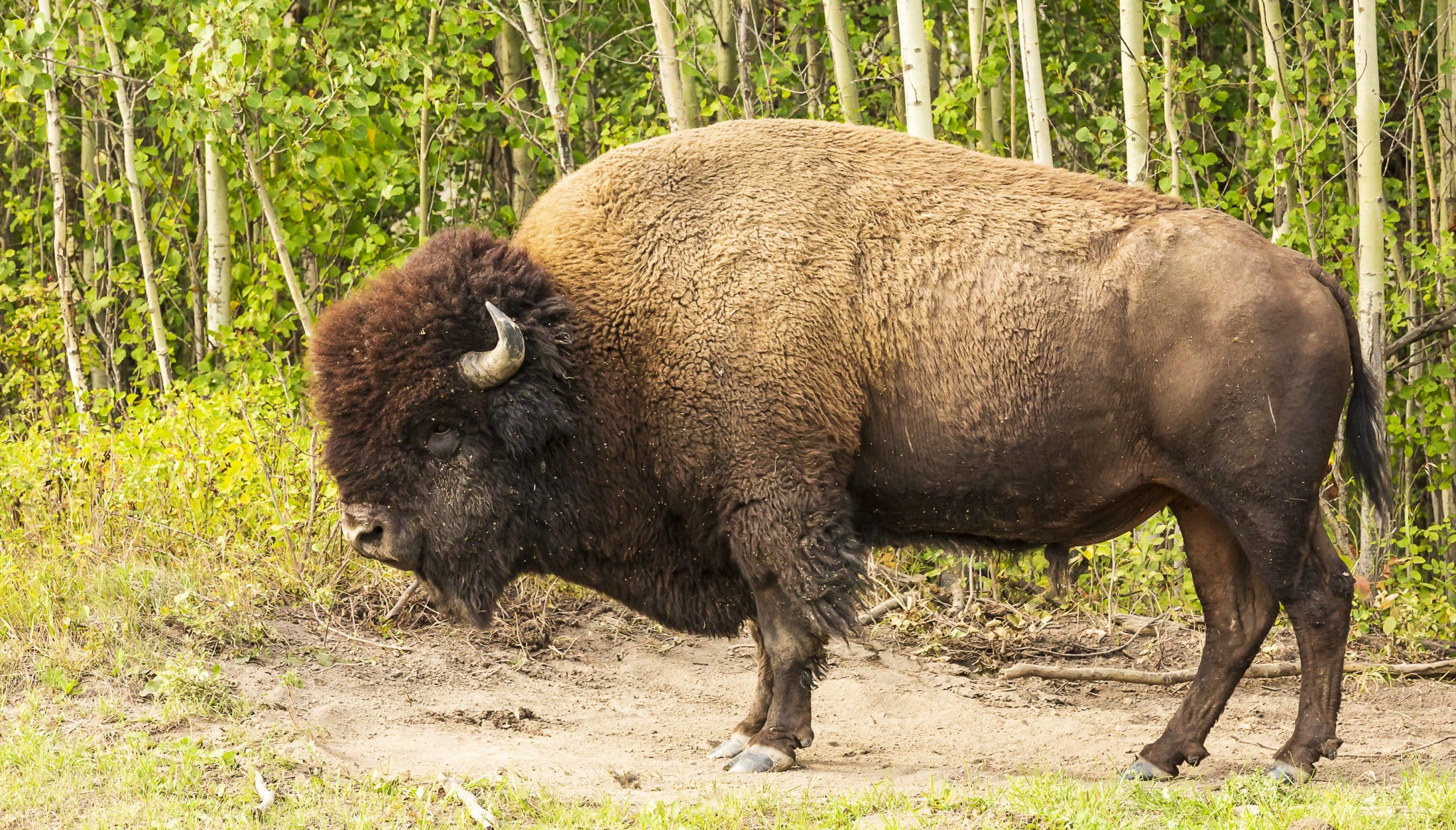

Wood Bison vs Plains Bison Size
Price range: $125.00 through $850.00
Wood Bison vs Plains Bison Size can be printed on Fine Art Paper, Canvas, Metallic or Acrylic. Fine Art print is available in four materials in five sizes; Frames are available via special order; Prices are available on request; Shipping is added on top of special orders.
Description
This print can be printed on Fine Art Paper, Canvas, Metallic or Acrylic. Fine Art print is available in four materials in five sizes; Frames are available via special order; Prices are available on request; Shipping is added on top of special orders.
Wood Bison vs Plains Bison: Size Comparison Explained
Discover the fascinating differences in size between wood bison and plains bison. Join us as we explore these majestic giants of the North American plains.
Overview of Wood Bison
The wood bison, also known as Bison bison athabascae, is one of the two subspecies of the American bison. Native to North America, this majestic animal primarily inhabits the boreal forests and grasslands of Alaska and Canada. Wood bison are known for their large size and distinctive features that set them apart from their plains bison counterparts. They are the largest land mammals in North America, making them a significant species in terms of both ecological impact and cultural heritage.
Wood bison have a robust and muscular build, with a pronounced hump on their shoulders that distinguishes them from other bison. Their fur is darker and denser, providing essential insulation against the harsh climates of the northern regions. The males, or bulls, are particularly notable for their size, often standing taller and weighing more than the females. This sexual dimorphism is a common trait among bison and plays a role in their social structure.
In terms of behaviour, wood bison tend to be more solitary than plains bison. They often form smaller groups, which can be attributed to the dense forests they inhabit. These environments offer different resources and challenges compared to the open plains, influencing the wood bison’s lifestyle and interactions. Despite their solitary nature, wood bison are highly social animals and have complex social behaviours that are crucial for their survival in the wild.
Overview of Plains Bison
Plains bison, scientifically known as Bison bison bison, are the other subspecies of the American bison. These animals are synonymous with the vast grasslands of North America, where they once roamed in massive herds. Plains bison are slightly smaller than wood bison but are still impressive in their own right. They are iconic symbols of the American West and have played a crucial role in the history and culture of indigenous peoples.
Plains bison have a more streamlined build compared to their wood bison relatives. They possess a less pronounced hump and lighter fur, which is adapted to the milder climates of the plains. Their lighter coat and smaller size make them more agile and better suited to the open landscapes they inhabit. Plains bison are known for their migratory behaviour, often travelling long distances in search of food and water.
Socially, plains bison are more gregarious than wood bison. They form larger herds, which can range from a few dozen to several hundred individuals. This social structure provides numerous advantages, including protection from predators and more efficient foraging. The herds are typically led by dominant males, although females also play a crucial role in maintaining group cohesion and directing movements.
The plains bison’s adaptability and resilience have been key to their survival, especially given the extensive hunting and habitat loss they have faced over the centuries. Conservation efforts have been essential in preserving this subspecies, allowing it to continue to thrive in its natural habitats and in protected reserves across North America.
Size Comparison: Wood Bison vs Plains Bison
When comparing the size of wood bison vs plains bison size, the differences are both subtle and significant. Wood bison are generally larger, with bulls reaching weights of up to 2,200 pounds and standing about 6 feet tall at the shoulder. Females are slightly smaller but still impressive, weighing up to 1,200 pounds. In contrast, plains bison bulls typically weigh between 1,600 and 2,000 pounds and stand around 5.5 feet tall, while females weigh between 900 and 1,100 pounds.
The size disparity between these two subspecies is influenced by several factors, including their respective habitats and evolutionary adaptations. Wood bison’s larger size is advantageous in the dense forests and colder climates they inhabit, providing better insulation and the ability to forage through deep snow. Their robust build also helps them navigate the rugged terrain of their boreal forest homes.
Plains bison, on the other hand, have evolved to thrive in the open grasslands. Their smaller, more agile bodies are better suited for the long migrations and varied climates of the plains. The reduced body mass allows for more efficient travel over vast distances, which is crucial for finding food and water in the often arid environments they encounter. This size difference also affects their social dynamics and behaviour, with plains bison tending to form larger herds due to the more abundant resources available in their habitat.
Despite these differences, both wood and plains bison share many similarities, such as their grazing habits and social structures. Understanding the size variations between these two subspecies provides valuable insights into their ecology and the specific adaptations that have allowed them to survive in their respective environments. This knowledge is essential for effective conservation efforts and the continued survival of these magnificent creatures.
Weight Differences Between the Two Species
The weight differences between wood bison and plains bison are significant and reflect their distinct ecological niches and physical adaptations. Wood bison, being the larger of the two, have an average weight of about 1,800 to 2,200 pounds for males and 1,000 to 1,200 pounds for females. This substantial body mass is a critical adaptation that helps them withstand the harsh conditions of their northern habitats, providing both insulation and energy reserves during the long, cold winters.
In contrast, plains bison are generally lighter, with males averaging between 1,600 and 2,000 pounds and females ranging from 900 to 1,100 pounds. This difference in weight is partly due to the more temperate climates and open landscapes they inhabit, which do not require the same level of insulation and energy reserves. The lighter body mass of plains bison also facilitates their migratory lifestyle, allowing them to cover greater distances in search of food and water without expending excessive energy.
The weight of these bison species also influences their physical appearance and movement. Wood bison, with their heavier bodies, have a more ponderous and deliberate gait. Their larger size and weight are advantageous in their forested environments, where they need to navigate through dense underbrush and deep snow. On the other hand, the lighter plains bison are more agile and capable of quick, sustained movement, which is essential for escaping predators and traversing the expansive prairies.
Understanding these weight differences is crucial for wildlife management and conservation efforts. The distinct physical adaptations of wood and plains bison highlight the importance of tailored conservation strategies that consider the specific needs and behaviours of each subspecies. By recognizing and preserving these differences, we can better protect and support the diverse habitats and ecosystems that these iconic animals call home.
Height Variations: An In-Depth Look
Height is another significant factor that distinguishes wood bison from plains bison. Wood bison are generally taller, with bulls standing up to 6 feet tall at the shoulder. This impressive height is partly due to their larger skeletal structure and the pronounced hump on their shoulders, which is more developed than that of the plains bison. The hump is composed of elongated vertebrae and muscles, providing strength and support for their massive heads and necks, which they use to forage through snow and dense vegetation.
Plains bison, while still large, are slightly shorter, with bulls typically standing around 5.5 feet tall at the shoulder. The hump on plains bison is less pronounced, reflecting their different ecological needs and evolutionary history. This more streamlined build is advantageous in the open grasslands, where agility and speed are essential for avoiding predators and migrating over long distances. The reduced height and weight of plains bison also make them more efficient grazers, able to cover larger areas in search of food.
The height differences between these two subspecies are not just a matter of physical appearance; they also have practical implications for their survival and behaviour. The greater height and larger hump of wood bison enable them to forage more effectively in their forested habitats, where they often need to push through snow and dense underbrush to find food. In contrast, the shorter stature of plains bison is better suited to the open prairies, where they can more easily spot predators and access a wider range of grazing areas.
These height variations also play a role in social interactions and mating behaviours. Taller, larger bulls typically dominate in fights for breeding rights, using their size and strength to assert their dominance. Understanding these height differences is essential for researchers and conservationists, as it provides insights into the unique adaptations and behaviours of each subspecies. This knowledge is crucial for developing effective conservation strategies that ensure the continued survival of both wood and plains bison in their natural habitats.
Habitat and Its Impact on Size
The habitats of wood bison vs plains bison size have a profound impact on their size and physical adaptations. Wood bison are primarily found in the boreal forests and wetlands of northern Canada and Alaska. These environments are characterized by harsh winters, deep snow, and dense vegetation, which require significant physical adaptations for survival. The larger size and robust build of wood bison are essential for navigating these challenging conditions, providing the strength and endurance needed to forage through snow and rough terrain.
The dense forests and wetlands also influence the social behaviour of wood bison, leading to smaller, more dispersed groups. These smaller groups reduce competition for limited resources and make it easier for the bison to find food in their challenging environment. The larger size of wood bison also provides better insulation against the cold and the ability to store more energy, which is crucial for surviving the long, harsh winters.
In contrast, plains bison inhabit the open grasslands and prairies of North America, where the climate is milder, and resources are more abundant. These environments favour a different set of physical adaptations, leading to the slightly smaller and more agile build of the plains bison. The open landscapes allow for larger herds, which protect predators andare more efficient foraging. The smaller size and lighter weight of plains bison make them more suited for long migrations, enabling them to move quickly and cover vast distances in search of food and water.
The differences in habitat also influence the behaviour and social structures of these bison subspecies. Plains bison tend to form larger herds, which can range from a few dozen to several hundred individuals. These larger herds provide numerous advantages, including protection from predators and more efficient foraging. In contrast, the smaller groups of wood bison are a practical adaptation to their more challenging environment, where resources are scarcer and more dispersed.
Understanding the impact of habitat on the size and behaviour of wood and plains bison is essential for effective conservation efforts. By recognizing the unique needs and adaptations of each subspecies, conservationists can develop targeted strategies to protect and preserve these iconic animals and their diverse habitats.
Behaviour and Size Correlation
The correlation between behaviour and size in wood bison and plains bison is a fascinating aspect of their biology. The larger size of wood bison influences their behaviour in several ways, including their social structure, foraging habits, and interactions with predators. Wood bison are more solitary than plains bison, often forming smaller groups that are better suited to their dense forest habitats. This behaviour reduces competition for limited resources and allows them to find food more efficiently in their challenging environment.
The larger size and robust build of wood bison also affect their foraging behaviour. They are capable of pushing through deep snow and dense vegetation to access food, a crucial adaptation for surviving the harsh winters of their northern habitats. This physical strength and endurance are essential for their survival, enabling them to forage effectively even in difficult conditions. The larger size of wood bison also provides better insulation against the cold, helping them conserve energy during the long, harsh winters.
In contrast, the smaller size and more agile build of plains bison influence their behaviour in different ways. Plains bison are more gregarious, forming larger herds that provide protection against predators and are more efficient foragers. These larger herds are better suited to the open landscapes of the plains, where resources are more abundant and less dispersed. The smaller size and lighter weight of plains bison make them more suited for long migrations, enabling them to move quickly and cover vast distances in search of food and water.
The behaviour of plains bison is also influenced by their need to avoid predators. The open landscapes of the plains provide little cover, making it essential for plains bison to be agile and quick. Their smaller size allows them to move more efficiently and escape predators, a crucial adaptation for survival in their environment. The larger herds of plains bison also provide safety in numbers, reducing the risk of predation and increasing the chances of survival for individual animals.
Understanding the correlation between behaviour and size in wood and plains bison provides valuable insights into their ecology and adaptations. This knowledge is essential for developing effective conservation strategies that consider the unique needs and behaviours of each subspecies, ensuring their continued survival in their natural habitats.
Conservation Status and Size Implications
The conservation status of wood bison and plains bison is a critical aspect of their overall survival and highlights the importance of understanding their size differences and ecological needs. Wood bison are currently listed as a threatened species, with their populations significantly reduced due to habitat loss, hunting, and disease. Their larger size and specific habitat requirements make them more vulnerable to environmental changes and human activities, which have greatly impacted their numbers.
Conservation efforts for wood bison focus on habitat preservation, population monitoring, and disease management. Protecting the boreal forests and wetlands they inhabit is crucial for their survival, as these environments provide the resources and conditions necessary for their large size and specific adaptations. Efforts to reintroduce wood bison to their historical ranges and establish new populations have been underway, with some success in increasing their numbers and genetic diversity.
Plains bison, while not as critically endangered as wood bison, still face significant conservation challenges. Once numbering in the millions, their populations were devastated by extensive hunting and habitat loss during the 19th century. Today, plains bison are classified as near-threatened, with most existing populations confined to protected reserves and national parks. The smaller size and more adaptable nature of plains bison make them somewhat more resilient to environmental changes, but they still require careful management and protection.
Conservation strategies for plains bison include habitat restoration, genetic diversity management, and reintroduction programs. Efforts to restore prairie ecosystems and establish new populations have been essential in preserving this subspecies. Plains bison also play a crucial role in maintaining the health and biodiversity of grassland ecosystems, making their conservation vital for the overall health of these environments.
The size differences between wood bison and plains bison have important implications for their conservation. Understanding the specific needs and adaptations of each subspecies is essential for developing effective strategies that address their unique challenges. By recognizing the importance of size and habitat in the survival of these iconic animals, conservationists can work to ensure the continued existence of both wood and plains bison in their natural habitats.
Conclusion: Understanding the Importance of Size in Bison Species
The size differences between wood bison vs plains bison sizes are more than just a matter of physical appearance; they are a reflection of the unique adaptations and ecological roles of these two subspecies. Understanding these differences is essential for appreciating the diversity and complexity of bison biology and for developing effective conservation strategies that ensure their continued survival.
Wood bison, with their larger size and robust build, are well adapted to the harsh conditions of the boreal forests and wetlands they inhabit. Their physical strength and endurance are crucial for navigating these challenging environments and foraging through deep snow and dense vegetation. The larger size of wood bison also provides better insulation against the cold and the ability to store more energy, essential for surviving the long, harsh winters.
In contrast, plains bison have evolved to thrive in the open grasslands and prairies of North America. Their smaller, more agile bodies are better suited for the long migrations and varied climates of the plains, where they must travel great distances in search of food and water. The reduced body mass of plains bison allows for more efficient movement and grazing, making them better adapted to the open landscapes they inhabit.
The size differences between these two subspecies also influence their behaviour, social structures, and interactions with predators. Wood bison tend to be more solitary, forming smaller groups that reduce competition for limited resources. Plains bison, on the other hand, are more gregarious, forming larger herds that provide protection against predators and are more efficient foragers.
Understanding the importance of size in the bison species is crucial for effective conservation efforts. By recognizing the unique needs and adaptations of wood and plains bison, conservationists can develop targeted strategies that address the specific challenges each subspecies faces. This knowledge is essential for preserving the biodiversity and ecological health of the habitats these iconic animals call home.
In conclusion, the size differences between wood bison and plains bison are a testament to the remarkable adaptability and resilience of these magnificent creatures. By appreciating and protecting their unique adaptations and ecological roles, we can ensure that these symbols of the North American wilderness continue to thrive for generations to come.
Related products
-
Male Bison in Fall
Price range: $125.00 through $850.00 Select options This product has multiple variants. The options may be chosen on the product page -
Abraham Lake Aurora
Price range: $125.00 through $850.00 Select options This product has multiple variants. The options may be chosen on the product page -
Juvenile Great Grey Owl
Price range: $125.00 through $850.00 Select options This product has multiple variants. The options may be chosen on the product page


