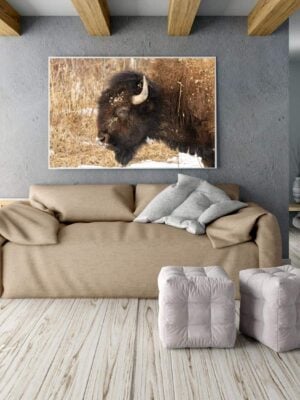
Young Bison in Snowy Woodlands
Price range: $125.00 through $850.00
Young Bison in Snowy Woodlands can be printed on Fine Art Paper, Canvas, Metallic or Acrylic. Fine art prints are available in four materials and five sizes. Frames are available by special order. Prices are available upon request. Shipping is added to special orders.
Description
This print can be printed on Fine Art Paper, Canvas, Metallic or Acrylic. Fine art prints are available in four materials and five sizes. Frames are available by special order. Prices are available upon request. Shipping is added to special orders.
Exploring Young Bison in Snowy Woodlands: A Winter Adventure
Discover the enchanting world of young bison as they roam snowy woodlands. Join us on a winter adventure to witness these majestic creatures in their natural habitat.
The Importance of Winter in Bison Behaviour
Winter is a crucial season for bison, shaping much of their behaviour and interactions. The harsh conditions of snowy woodlands demand a high level of resilience and adaptation from these majestic creatures. During this season, bison exhibit behaviours that are essential for their survival, including foraging strategies, social dynamics, and migration patterns. Understanding these behaviours provides insight into the natural rhythms of bison life and their ability to thrive in challenging environments.
One of the most significant aspects of winter for bison is their grazing behaviour. Snow covers the grasses and sedges that bison depend on for nutrition, forcing them to paw through the snow to reach their food. This activity not only requires energy but also involves a level of skill and persistence. Young bison learn these techniques from older members of the herd, highlighting the importance of social learning in bison communities. Additionally, the nutritional quality of forage can be lower in winter, making efficient foraging even more critical.
Winter also influences the social structure and dynamics within bison herds. The cold season often brings bison together in tighter, more cohesive groups, providing warmth and protection against predators. Social bonds are reinforced, and young bison benefit from the guidance and experience of adults. This period is essential for the development of young bison, as they learn to navigate the challenges of their environment and build the skills necessary for survival.
Unique Adaptations of Bison for Cold Weather
Bison are remarkably well-adapted to withstand the rigours of winter. Their physical and behavioural adaptations enable them to endure freezing temperatures, deep snow, and scarce food resources. One of the most striking features of bison is their thick, shaggy coat, which provides excellent insulation against the cold. This dense fur traps heat close to their bodies, allowing them to maintain a stable body temperature even in the harshest conditions.
In addition to their fur, bison have a layer of fat beneath their skin that serves as an energy reserve and additional insulation. This fat layer is accumulated during the warmer months when food is more abundant, ensuring that bison have the necessary resources to survive the winter. Their large size and robust build also help them conserve heat and minimize energy expenditure, making them well-suited to cold environments.
Bison exhibit behavioural adaptations that further enhance their ability to cope with winter. For example, they are known to huddle together in groups to share body heat and reduce exposure to the wind. They also have a unique way of moving through deep snow, using their powerful shoulders and necks to plow through drifts and create paths for the rest of the herd. These adaptations showcase the incredible resilience and ingenuity of bison in the face of winter’s challenges.
The Role of Snowy Woodlands in Bison Ecology
Snowy woodlands play a vital role in the ecology of bison, providing both habitat and resources that are crucial for their survival. These environments offer a diverse range of plant species that bison rely on for food, as well as shelter from harsh weather conditions. The interplay between bison and their woodland habitats is a key aspect of their ecological niche, influencing their behaviour, diet, and overall health.
The vegetation in snowy woodlands is adapted to survive in cold climates, and bison have evolved to make the most of these resources. They graze on a variety of grasses, sedges, and shrubs, which are often covered by snow in winter. Bison use their powerful hooves to dig through the snow and access these plants, demonstrating their adaptability and resourcefulness. The availability of food in these woodlands is a critical factor in sustaining bison populations through the winter months.
In addition to providing food, snowy woodlands offer protection and shelter for bison. The dense tree cover can shield them from strong winds and heavy snowfall, creating microhabitats that are more favourable for survival. These woodlands also serve as important corridors for movement and migration, allowing bison to travel between different areas in search of food and mates. The intricate relationship between bison and their woodland habitats highlights the importance of preserving these environments to ensure the continued survival of these iconic animals.
Best Locations to Observe Young Bison in Winter
Observing young bison in their natural winter habitats is a captivating experience that offers a glimpse into their daily lives and survival strategies. There are several prime locations across North America where enthusiasts can witness these magnificent creatures in snowy woodlands. Yellowstone National Park, Grand Teton National Park, and the Canadian Rockies are among the top destinations for winter bison watching.
Yellowstone National Park is perhaps the most famous location for observing bison, particularly during the winter months. The park’s vast landscapes and diverse ecosystems provide an ideal setting for bison to roam and graze. Visitors can often spot young bison along the Lamar Valley and Hayden Valley, where they gather in large herds. The park’s geothermal features also create unique microclimates that attract bison, offering spectacular viewing opportunities.
Grand Teton National Park, located just south of Yellowstone, is another excellent destination for winter bison observation. The park’s open meadows and forested areas are home to significant bison populations, and the snowy backdrop adds to the scenic beauty of the experience. The National Elk Refuge, adjacent to the park, also provides a habitat for bison during the winter, making it a worthwhile stop for wildlife enthusiasts.
The Canadian Rockies, with their stunning alpine landscapes, offer yet another fantastic location to observe young bison in winter. Parks such as Banff and Jasper National Parks are home to reintroduced bison herds, and the snowy conditions create a picturesque setting for wildlife viewing. These areas also provide opportunities to learn about ongoing conservation efforts aimed at restoring bison populations in their historic ranges.
Tips for Photographing Bison in Snowy Woodlands
Photographing young bison in snowy woodlands can be both challenging and rewarding. Capturing the essence of these magnificent animals in their winter habitat requires careful planning, patience, and an understanding of the unique challenges posed by snow and cold weather. Here are some tips to help you take stunning photographs of bison in snowy woodlands.
First and foremost, ensure that you are well-prepared for the cold. Dressing in layers, wearing insulated gloves, and using hand warmers can help keep you comfortable during long hours outdoors. Protecting your camera equipment from the cold is equally important. Cold temperatures can drain battery life quickly, so bring extra batteries and keep them warm in your pockets. Using a weather-sealed camera and lens can also prevent moisture from damaging your gear.
When photographing bison in snowy conditions, lighting is a crucial factor to consider. The reflective nature of snow can create high-contrast scenes, making it challenging to expose your shots correctly. Shooting in the early morning or late afternoon can provide softer, more flattering light. Overcast days can also be ideal for photography, as the diffused light reduces harsh shadows and highlights. Experimenting with different exposure settings and using the histogram on your camera can help you achieve well-balanced images.
Composition is another key element in capturing compelling bison photographs. Look for opportunities to frame your shots creatively, using the snowy landscape to enhance the visual impact. Including elements such as trees, mountains, or other wildlife can add depth and context to your images. Patience is essential when photographing wildlife, so take your time to observe the bison’s behaviour and anticipate moments that tell a story. Whether it’s a young bison playing in the snow or a herd moving through the woodland, these interactions can create powerful and memorable photographs.
The Impact of Climate Change on Bison Populations
Climate change poses significant challenges to bison populations, affecting their habitats, food sources, and overall health. The warming climate and changing precipitation patterns can alter the ecosystems that bison depend on, leading to shifts in vegetation, increased competition for resources, and new threats from diseases and parasites. Understanding these impacts is crucial for developing effective conservation strategies to protect bison in a changing world.
One of the most direct effects of climate change on bison is the alteration of their food sources. Warmer temperatures and changing precipitation patterns can affect the growth and availability of the grasses and sedges that bison rely on for nutrition. In some areas, invasive plant species may become more prevalent, outcompeting native vegetation and reducing the quality of forage available to bison. These changes can impact the health and reproductive success of bison populations, making it more challenging for them to thrive.
Climate change can also affect the distribution and behaviour of bison. As temperatures rise, bison may need to move to higher elevations or more northern latitudes to find suitable habitats. These shifts can disrupt migration patterns and increase the risk of conflicts with human activities, such as agriculture and urban development. Additionally, changing weather patterns can influence the timing and severity of extreme events, such as droughts and severe winters, which can have profound effects on bison survival and reproduction.
The increased prevalence of diseases and parasites is another concern associated with climate change. Warmer temperatures can create more favourable conditions for pathogens and parasites that affect bison, such as brucellosis and ticks. These health threats can weaken bison populations and reduce their resilience to other environmental stressors. Addressing the impacts of climate change on bison requires a comprehensive approach that includes habitat conservation, monitoring of population health, and adaptive management strategies.
Conservation Efforts for Bison in Winter Habitats
Conservation efforts are essential to ensuring the survival of bison in their winter habitats. Various organizations and initiatives are working to protect and restore bison populations, focusing on habitat preservation, reintroduction programs, and public education. These efforts aim to maintain healthy bison populations and safeguard the ecosystems they inhabit, promoting biodiversity and ecological balance.
One of the key strategies in bison conservation is the preservation and restoration of their natural habitats. Protecting large tracts of land that provide the necessary resources for bison, such as food, water, and shelter, is crucial for their survival. This includes managing grasslands, woodlands, and other ecosystems to support healthy vegetation and mitigate the impacts of climate change. Restoration projects often involve removing invasive species, planting native flora, and implementing sustainable land management practices.
Reintroduction programs play a vital role in expanding bison populations and restoring them to their historic ranges. These programs involve relocating bison from established herds to areas where they have been extirpated or where populations are low. Successful reintroduction efforts require careful planning, including genetic diversity considerations, habitat suitability assessments, and ongoing monitoring to ensure the well-being of the relocated bison. Collaboration between government agencies, conservation organizations, and local communities is essential for the success of these initiatives.
Public education and community involvement are also critical components of bison conservation. Raising awareness about the ecological and cultural significance of bison helps garner support for conservation efforts and encourages responsible behaviour in areas where bison are present. Educational programs, interpretive centers, and outreach activities can engage the public and foster a sense of stewardship for bison and their habitats. By working together, we can ensure that future generations have the opportunity to experience the wonder of bison in snowy woodlands.
Personal Experiences: Stories from Winter Bison Adventures
Experiencing the world of young bison in snowy woodlands firsthand is an unforgettable adventure that leaves a lasting impression. Many wildlife enthusiasts and photographers have shared their personal stories of encountering these majestic creatures in their winter habitats, each tale offering a unique perspective on the beauty and resilience of bison. These stories not only inspire a deeper appreciation for bison but also highlight the importance of conservation efforts.
One such story comes from a wildlife photographer who spent several weeks in Yellowstone National Park during the winter. Armed with a camera and a passion for wildlife, they braved the cold to capture images of bison in their natural environment. The photographer recalls a particularly memorable moment when they observed a group of young bison playing in the snow, their playful antics a stark contrast to the harsh surroundings. This experience underscored the adaptability and joy of bison life, even in challenging conditions.
Another adventurer recounts their journey through the Canadian Rockies, where they encountered a reintroduced herd of bison. The sight of these magnificent animals against the backdrop of snow-covered mountains was awe-inspiring. The adventurer noted the importance of reintroduction programs in restoring bison populations and the role of protected areas in providing safe habitats. This experience deepened their commitment to supporting conservation initiatives and advocating for the protection of bison.
A nature enthusiast shares their experience of observing bison in Grand Teton National Park. Hiking through the snowy woodlands, they stumbled upon a group of bison grazing quietly in the early morning light. The peaceful scene was a reminder of the interconnectedness of all living things and the delicate balance of nature. This encounter left the nature enthusiast with a profound sense of gratitude for the opportunity to witness such a moment and reinforced their dedication to preserving natural habitats.
Conclusion: Embracing Nature’s Wonders in Winter
Winter offers a unique and enchanting opportunity to explore the world of young bison in snowy woodlands. The resilience and adaptability of these majestic creatures are a testament to the wonders of nature and the intricate balance of ecosystems. By understanding the importance of winter in bison behaviour, appreciating their unique adaptations, and recognizing the role of snowy woodlands in their ecology, we gain a deeper insight into their lives and the challenges they face.
Observing young bison in their winter habitats is a captivating experience that fosters a greater appreciation for wildlife and the natural world. Whether through photography, personal adventures, or conservation efforts, each encounter with bison contributes to our understanding and commitment to protecting these remarkable animals. The impact of climate change on bison populations underscores the urgency of our conservation efforts and the need to safeguard their habitats for future generations.
Embracing the wonders of winter and the beauty of bison in snowy woodlands inspires a sense of stewardship and responsibility. By supporting conservation initiatives, promoting sustainable land management, and raising awareness about the significance of bison, we can ensure that these iconic animals continue to thrive. As we embark on our own winter adventures, let us remember the importance of preserving nature’s treasures and the vital role we play in protecting the delicate balance of our planet’s ecosystems.
Related products
-
Bison Calf
Price range: $125.00 through $850.00 Select options This product has multiple variants. The options may be chosen on the product page -
Juvenile Great Grey Owl
Price range: $125.00 through $850.00 Select options This product has multiple variants. The options may be chosen on the product page -
Bison Head
Price range: $125.00 through $850.00 Select options This product has multiple variants. The options may be chosen on the product page