Choosing the right fine art print can feel overwhelming when you’re sorting through paper types, edition sizes, and finish options. This guide breaks down everything you need to know about fine art prints, from materials and production to care and conservation, so you can buy with confidence.
What Is a Fine Art Print? (Quick Answer for Shoppers)
A fine art print is a high-quality reproduction created with museum-grade materials, produced to gallery standards using archival inks, premium papers, and a colour-managed digital workflow. It is not just what you’d get from a standard photo lab or a poster shop.
The difference between a generic photo print and a true fine art print comes down to three things: pigment-based archival inks instead of dye-based inks, acid-free museum-grade papers instead of regular photo paper, and controlled editions with careful colour management at every stage. Fine art printmaking includes traditional and modern techniques such as relief, intaglio, lithography, and digital printing. Traditional printmaking emphasizes hand-crafted matrices and manual methods for producing art, but today’s giclée digital process has become the standard for photographers and artists working in photography.
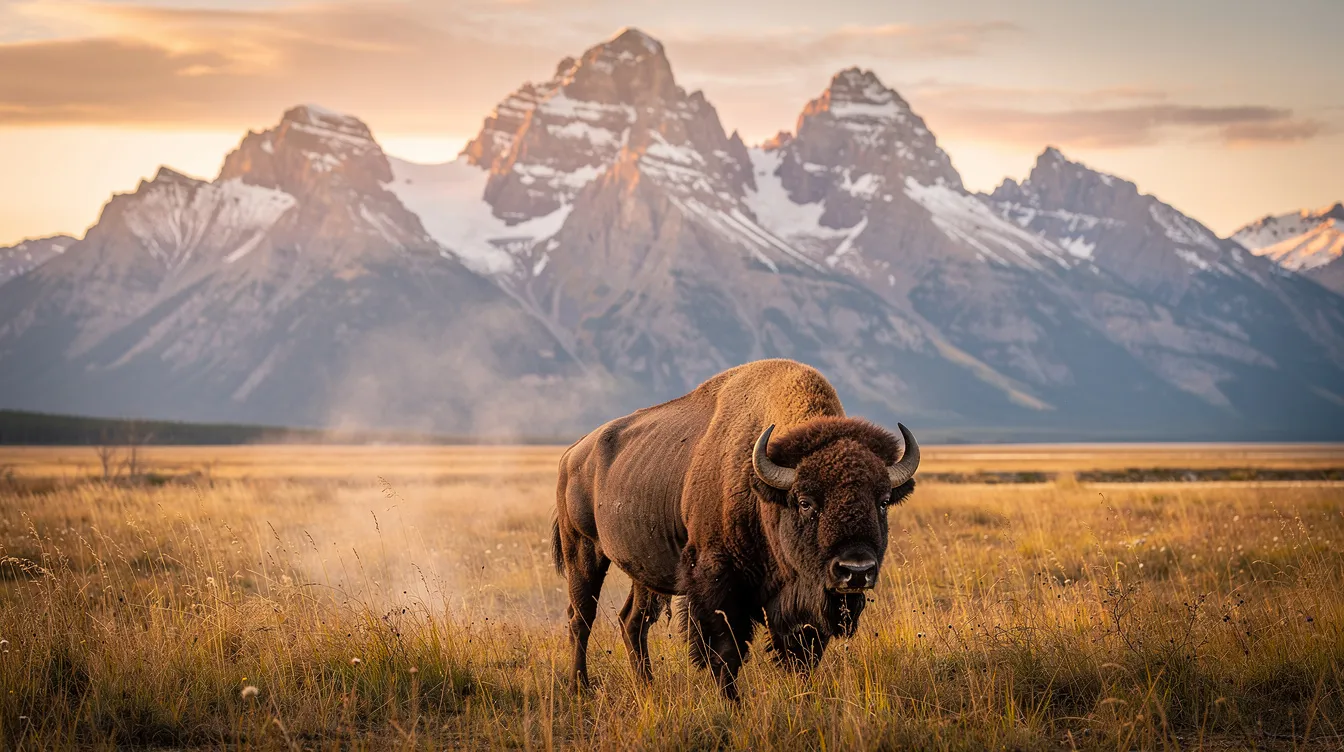
Jardene Photography specializes in fine art prints of Alberta wildlife, bison, and Canadian Rockies landscapes, created by nature photographer Andy Denton in Calgary, Alberta. Prints are priced from approximately CAD $125 for smaller unframed pieces up to around $850 for large, ready-to-hang options. Customers across Canada buy these prints both as a statement piece for wall display and as collectible photography, with each piece prepared for long-term display in homes, cabins, and professional interiors.
Fine Art Prints vs Standard Art Prints and Canvas Prints
Not all art prints are alike. Choosing between a fine art print, regular art prints, and canvas prints changes the final look and durability of your artwork.
Standard art prints are typically printed on photo paper or premium uncoated cardstock, which offers a refined, natural look at a lower price. They work well for casual decor, children’s rooms, temporary displays, and tighter budgets, but they lack the longevity of archival materials.
Fine art prints are archival giclée prints on premium papers such as Hahnemühle Photo Rag or similar cotton-based surfaces. They deliver exceptional detail, rich tonal depth, and vibrant colors with fade resistance of 70–100+ years under proper conditions. The finish of a fine art print can be made on textured or smooth paper depending on the image and your preference.
Canvas prints offer a classic fine art look for reproductions. Images are printed onto stretched canvas with a painterly texture, often displayed without glass. They suit living rooms, offices, and rustic spaces and are popular for large panoramas.
Here’s how they compare in practice: fine art paper prints have a polished, smooth or subtly textured surface that reveals every detail behind glass, while canvas has a visible weave that softens fine lines. Colour depth and tone are generally more refined on fine art papers, while canvas provides a more relaxed, frameless character. Framing needs differ too-paper prints benefit from UV-protective acrylic glazing and acid-free mats, while canvas prints arrive stretched and ready to hang. Price expectations range similarly, though framing adds cost to paper prints.
Choose a fine art paper print for detailed aurora photographs or wildlife portraits where fur texture and shadow detail matter. Canvas prints are a great choice for large lodge or cabin spaces where you want a thick, painterly presence. A standard art print might be enough for a seasonal gift or a project with a modest budget.
Fine Art Papers: Photo Rag and Other Archival Surfaces
Paper choice determines how your image feels on the wall. For subjects like snow, animal fur, and mountain texture, the surface you choose can either reveal or flatten the detail that makes a photograph amazing.
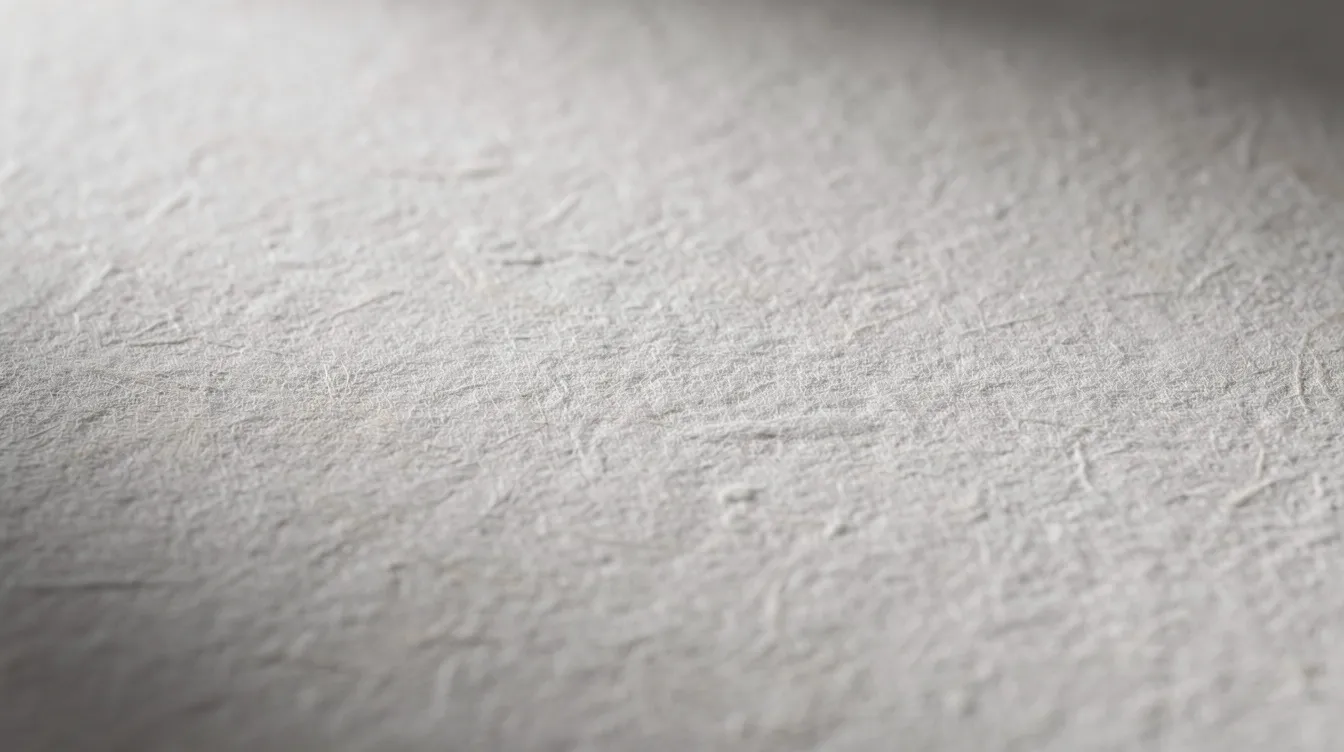
Fine art papers include textured, ultra-smooth, and photo rag options. Cotton photo rag paper is 100% cotton, museum-grade, with a slightly textured matte surface that is ideal for photographs of black bears in shadow, misty mountain scenes, and night skies over Banff or Jasper-like the Two Jack Milky Way image in the collection. Giclée prints use high-quality fine art papers for durability, and fine art papers can last for decades with proper care.
Beyond photo rag, Jardene Photography also uses smooth matte fine art paper for soft, minimalist images with gentle tonal transitions, and textured fine art paper for dramatic bison portraits and rugged foothills scenes. Fine art papers come in various weights and finishes for personalization, letting you match the surface to your space and style.
Paper weight matters. Heavier papers around 300 gsm reduce buckling under glass and feel substantial in hand. A matte surface eliminates reflections behind glass, while a subtle lustre finish can increase perceived saturation and contrast-an excellent option if the print will be displayed under strong indoor lighting. High-contrast wildlife photography with deep blacks and bright whites looks best on smooth matte or photo rag. Wide Alberta prairie sunsets with soft gradients suit textured matte surfaces that add depth and character.
Jardene Photography uses archival, acid-free papers from established fine art brands such as Hahnemühle, printed through ArtBeat Studios in California for consistent gallery quality output on every piece.
How Jardene Photography Produces Museum-Quality Nature Fine Art Prints
Every print goes through a professional imaging and printing workflow designed for collectors, interior designers, and serious nature lovers who expect gallery quality results.
Andy Denton is an Alberta-based nature photographer who holds a Craftsman degree in Nature Photography and is actively working toward a Master’s degree. His award-winning photographs of bison, grizzlies, and the Canadian Rockies form the foundation of the Wildlife Prints Collection and Landscape Photography Prints available through the site.
The digital workflow starts with calibrated monitors and soft-proofing against specific fine art papers. Each image receives careful sharpening and colour grading tailored to its final size and medium, ensuring the printed result matches the original artwork as closely as possible. This is how great quality reproduced prints are produced-no shortcuts, no guessing.
Prints are created as high-resolution giclée prints using large-format printers with pigment-based archival inks. Giclée printing uses 12 long-lasting inks for durability and quality, producing vibrant colors and smooth tonal gradations that dye-based systems simply cannot match. Archival quality inks ensure prints do not deteriorate over time. You can see the full breakdown of what’s included with every print.
The Fine art print is often produced in limited editions and may be signed by the artist. Jardene Photography offers fixed edition sizes-typically 25 to 100 copies depending on the image-with each piece signed and numbered, and certificates of authenticity where applicable. Fine art prints are normally appreciated for their potential collectible value, especially limited editions, which gives collectors inspired by these wild spaces a tangible connection to the work.
The business operates under Jardene Inc. with a 100% Satisfaction Guarantee at trade shows, insured and licensed operations, careful packaging, and optional local pickup in Calgary for customers who want to avoid shipping risks.
Choosing the Right Jardene Photography Print for Your Space
Selecting the right image, size, and finish transforms a room, whether it’s a Calgary condo, a Canmore vacation home, or a downtown Toronto or Vancouver office.
Start with subject. Bison fine art prints suit rustic or Western-themed rooms and add rugged character. Alpine lake and glacier scenes from Banff and Jasper create calm, minimalist interiors. Aurora borealis prints deliver a modern, dramatic perspective for contemporary spaces.
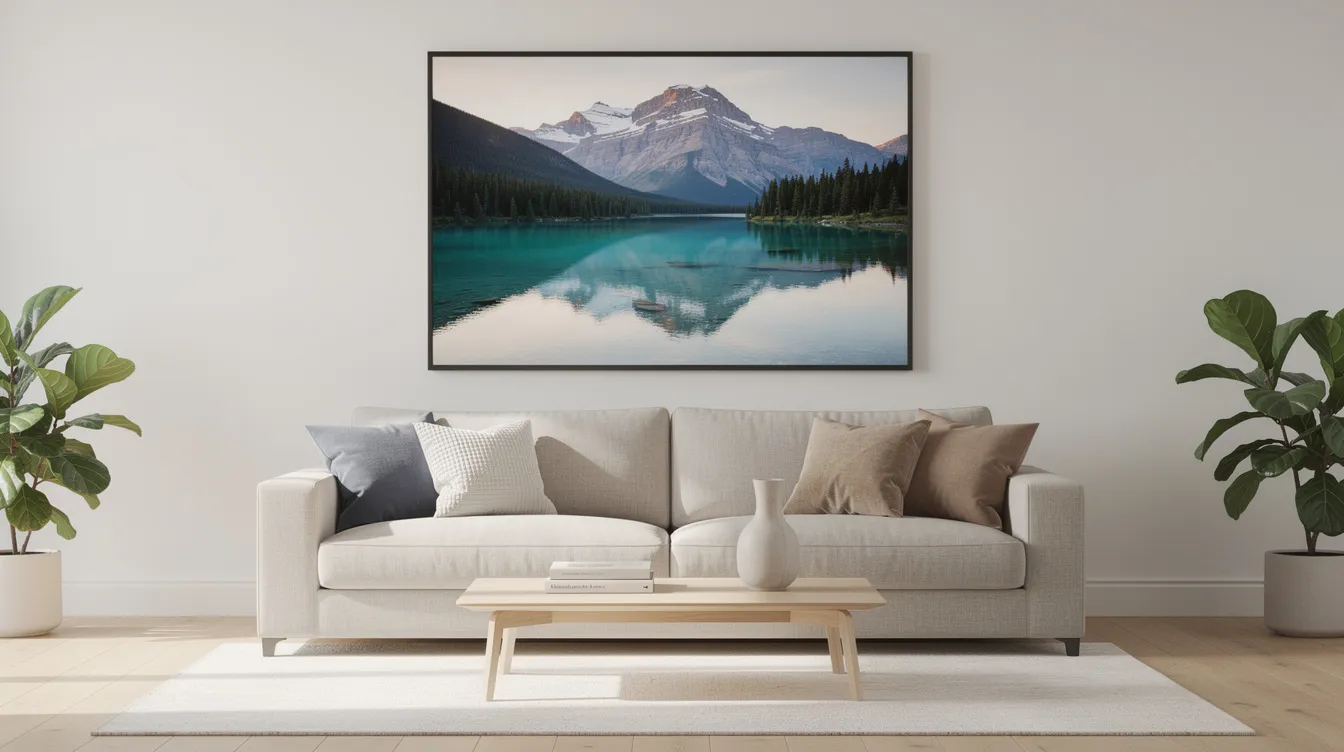
For sizing, consider these practical ideas: a 16×24? print works above a small desk or in a hallway, a 24×36? piece is ideal for over a sofa, and 30×45? or larger stands as a focal point in an open-concept living area or hotel lobby. These sizes are available across a range of finishes.
Framing and presentation options include unframed fine art prints on photo rag for custom framing, framed prints under UV-protective acrylic for a perfect ready-to-hang piece, and canvas prints stretched for a clean frameless look. Facemount prints create a near-3D effect on acrylic panels, adding a refined, modern feel that photographers and designers increasingly favour.
When creating prints for a gallery wall, consider pairing a close-up bison portrait like Adult Bison – Length Pose with a wider prairie storm scene from the same region. Keeping the tone and colour palette consistent across pieces ties the display together. Mixing sizes-one large anchor piece with two or three smaller prints-adds visual weight without overwhelming the space.
Customers can contact the Jardene Photography team directly for recommendations on pairings, sizes, and finishes based on wall measurements and room photos.
Care, Longevity, and Conservation Impact
Fine art prints from Jardene Photography are designed to last for decades when displayed and cared for correctly. Archival prints resist fading and deterioration over time, and archival prints can last for generations without fading under proper conditions. The Fine art print can maintain color quality for years-and with the right environment, far longer.
Handle cotton photo rag prints with clean, dry hands or cotton gloves. Avoid touching the printed surface. Frame with acid-free mats and backing to preserve the integrity of the paper and ink. Hang away from direct sunlight and high humidity areas. Under archival framing and moderate indoor lighting, expect 70–100+ years of colour stability.
Every print is packaged with sturdy materials, corner protectors, and rigid backing boards. Canvas prints are carefully wrapped. Orders ship across Canada-from city centres like Toronto and Vancouver to remote communities-and to select international destinations. Delivery timelines and policies are outlined on the site page for each product.
Jardene Photography donates 15% of profits to the Alberta Institute for Wildlife Conservation, so each purchase directly supports the protection and rehabilitation of local wildlife. Every print you hang on your wall carries that commitment.
Discover your next piece at the Jardene Photography shop. Browse the collection, explore limited edition nature and wildlife prints, and bring the beauty of Alberta’s wild spaces into your home.