From painters who spend years perfecting a single canvas to photographers who wait hours in freezing conditions for the right light, wildlife artists capture the rugged landscapes and diverse fauna unique to this country. This guide covers the most important names, what sets them apart, and where to find wildlife art that belongs on your walls.
Quick Answer: What Is a Canadian Wildlife Artist?
A wildlife artist is a creator-painter, sculptor, or photographer who focuses on depicting animals, birds, and ecosystems found in Canadian wildlife and the broader natural world. These artists blend scientific knowledge, field observation, and artistic technique to portray subjects authentically. Canadian wildlife artists emphasize animals within their habitat in compositions, combining realism with emotional storytelling.
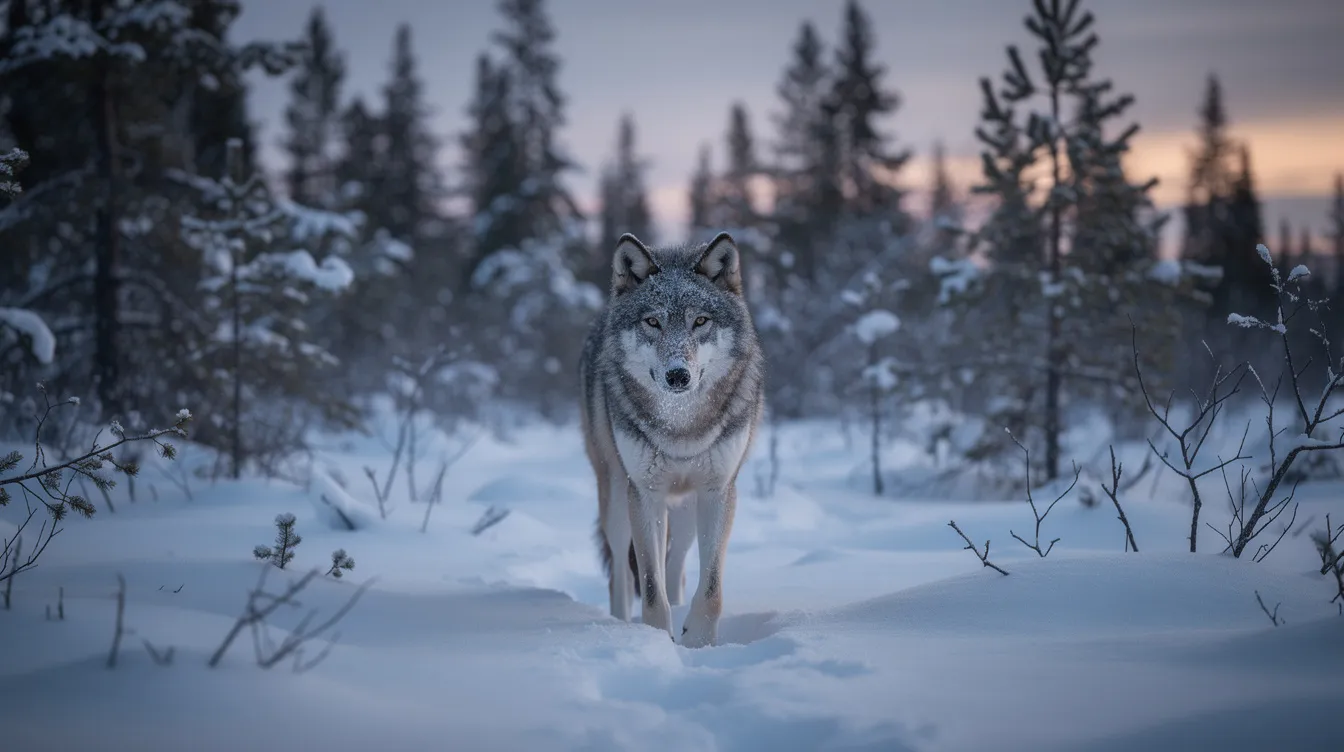
This tradition ranges from classic painters like wildlife artist Robert Bateman, recognized internationally for his paintings of wolves, loons, and bears, to contemporary nature photographers such as Jardene Photography in Alberta. Whether the medium is oil on canvas or a photograph captured with long lenses, wildlife art in Canada celebrates the beauty of the animal world and inspires awareness for conservation efforts.
Canadian Wildlife Art: A Brief Overview
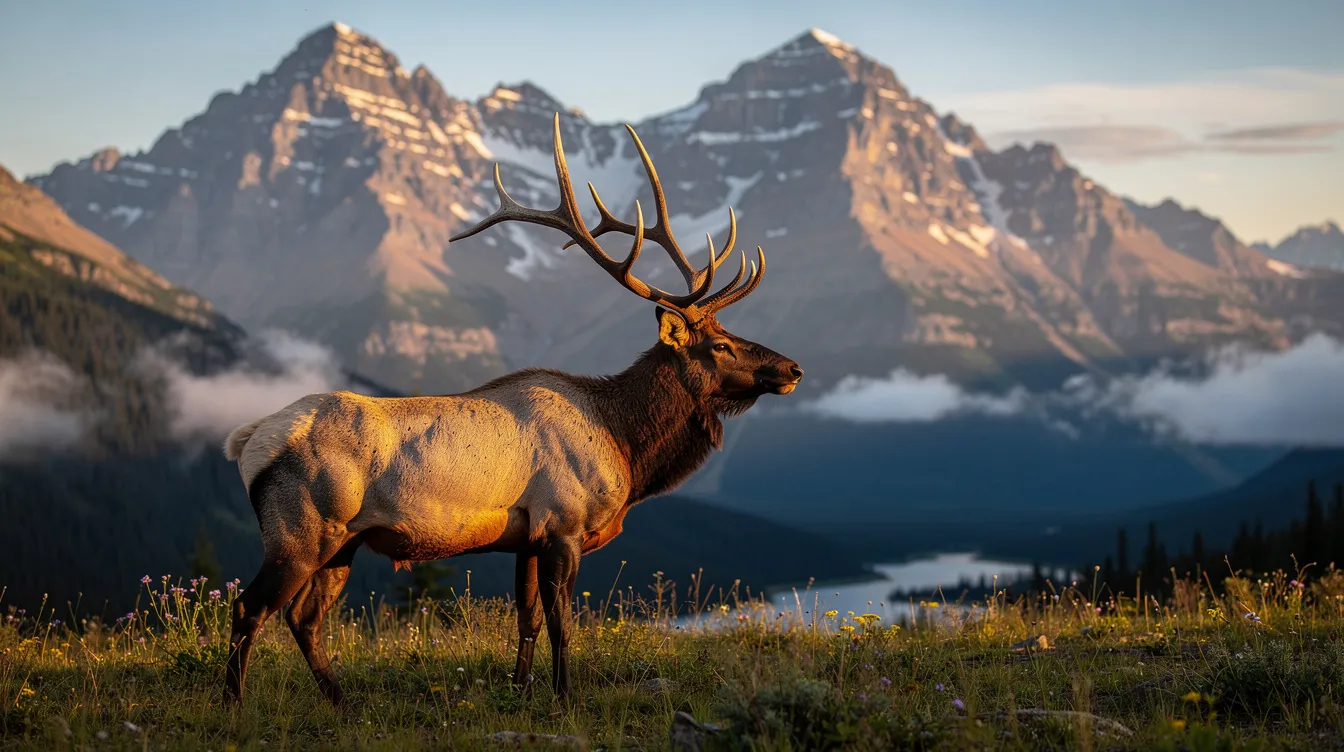
Wildlife art in Canada grew alongside rising interest in conservation and national parks from the mid-20th century onward. As Banff, Jasper, and other parks became integral to national identity, artists drew inspiration from the Canadian Rockies, the Boreal Forest, the Prairies, and the Arctic, turning local wildlife into fine art subjects. Artists often depict the beauty of the Canadian Rockies in their work, and the Rockies themselves, part of the North American Rocky Mountains, feature stunning landscapes and wildlife that have defined this genre for decades.
Canadian wildlife paintings often feature dramatic natural lighting, and the tradition appears across multiple media: oil and acrylic painting, sculpture, drawing, and increasingly fine art nature photography prints. Many of the best wildlife artists donate proceeds or partner with conservation organizations, making art a tool for protecting habitats. Wildlife art in Canada closely relates to conservation organizations, and many Indigenous Canadian artists also depict animals as spiritual beings in their art, adding depth to the tradition. Wildlife art often aims to inspire appreciation for nature and ecological balance.
Jardene Photography fits within this tradition as a contemporary Canadian wildlife and landscape photography studio based in Alberta, bringing the same field-driven approach to the photographic medium.
Robert Bateman: Canada’s Most Famous Wildlife Artist
Robert Bateman (born 1930 in Ontario) is widely considered Canada’s preeminent wildlife painter and one of the best wildlife artists internationally. His body of work includes iconic pieces such as “Midnight – Black Wolf,” “Chief,” and numerous owl and bear paintings that have become benchmarks for realism in wildlife art. Bateman emphasizes wildlife conservation in his artwork, and his style, hyper-realistic animals set in accurate habitats with muted, natural colour palettes, helped define the visual language of modern wildlife art in Canada.
Artist Robert Bateman founded the Bateman Foundation in Victoria, BC, dedicating it to environmental education. His depictions of loons, wolves, and grizzlies have raised millions for conservation. He has been honoured with the Order of Canada and the Rungius Medal. After years of prolific output, his book and print collection remain widely collected, and he continues to inspire a lot of today’s wildlife artists, including nature photographers who study his compositions and use of light.
Other Influential Wildlife Artists Connected to Canada
While Bateman is the most recognized name, many other artists have shaped how Canadians view and celebrate animals and landscapes. Certain artists brought technical precision, field research, and conservation messaging that raised the bar for the entire genre.
- Glen Loates (born 1945, Toronto) is one of Canada’s most technically accomplished wildlife artists. A self-taught naturalist, his artwork has been collected by heads of state; his “The Bald Eagle” painting was presented to President Reagan in 1982. His work is featured in major museums across North America and Europe, including the British Museum and the Royal Ontario Museum. His book The Art of Glen Loates was the best-selling collection of any living Canadian artist at the time.
- Carl Brenders (born 1937, Belgium) is closely associated with North American and Canadian wildlife, known for hyperrealist portraits like “Full-Curl Bighorn” depicting Rocky Mountain bighorn sheep. Carl Brenders paints to promote environmental preservation, and his detail and field accuracy set a standard that naturalists and collectors admire.
- Terry Isaac (1958–2019) relocated to British Columbia and became a key figure in North American wildlife painting. Featured 14 times in “Birds in Art,” his work focused on migratory birds, wetlands, and predator–prey interactions with a style that combined dramatic light and careful composition.
- Michael Pape is another Canadian wildlife painter whose detailed oil paintings of birds and mammals have earned him a dedicated following among galleries and collectors across Canada.
- Alan M. Hunt aims to raise awareness for wildlife protection through his paintings. David Shepherd’s foundation donates half of art sale proceeds to conservation, while George McLean focuses on North American predator–prey scenes. These artists, some based abroad, collectively helped shape expectations of realism, habitat accuracy, and conservation messaging that guide today’s wildlife artists and nature photographers.
Contemporary Canadian Wildlife Artists and Emerging Voices
A new generation of wildlife artists in Canada mixes traditional realism with photography, digital art, and mixed media. Many contemporary artists blend pop art and realism in wildlife art, pushing the genre in fresh directions. Artists like Kathryn Hansen inspire connections to living things, and Emma Swift participates in vital conservation projects through art, demonstrating how the field continues to evolve.
Kimberley (Kim) McNeil is a strong example: based in Calgary, she holds a B.Sc. in Wildlife Biology from McGill and works from her studio creating cold wax paintings of Canadian wildlife. She is co-editor of Breakthroughs Magazine, which won Best New Magazine from the Alberta Magazine Publishers Association in 2025. Her formal background in ecology deepens the anatomical and behavioural accuracy of her artwork.
Contemporary Canadian wildlife artists frequently exhibit at events like the Calgary Stampede Art Show and Leighton Art Centre’s annual exhibitions, and many diversify across painting, illustration, editorial work, and online galleries to reach national and international audiences. Collectors today can explore these artists through juried shows, online portfolios, and curated e-commerce platforms. These friends of the natural world give us hope that wildlife art will continue to live and evolve.
From Paint to Lens: Jardene Photography as a Wildlife Artist in Photography
Jardene Photography is a Canadian wildlife artist practice working in fine art nature photography rather than painting, based in Calgary, Alberta. Wildlife photography captures animals in their natural habitats, and the studio focuses on subjects like bison on the Prairies, elk and bears in the Canadian Rockies, great horned owl and other raptors, and iconic Alberta scenes like Moraine Lake and the Aurora Borealis. The Canadian Rockies are located in Alberta, Canada, and remain a popular subject for nature photography.
Owner Andy Denton holds advanced credentials, including a Craftsman degree in Nature Photography and is progressing toward a Master’s degree. Wildlife photographers often use natural light for better images, and techniques include using long lenses for close-up shots, an approach central to the studio’s field work. Jardene Photography offers limited edition and standard fine art prints (approximately CAD $125–$850) produced through ArtBeat Studios, with archival quality paper and finishes that deliver collectible value comparable to traditional wildlife paintings.
The business operates under Jardene Inc., fully licensed and insured, with a 100% Satisfaction Guarantee and shipping across Canada. Its conservation commitment-donating 15% of profits to the Alberta Institute for Wildlife Conservation since 2021, aligns with the long legacy of Canadian wildlife artists giving back. Wildlife photography can raise awareness for conservation efforts, and this studio embodies that principle.
What Makes the Best Wildlife Artists Stand Out?
Whether painting or photographing, the best wildlife artists share several core qualities:
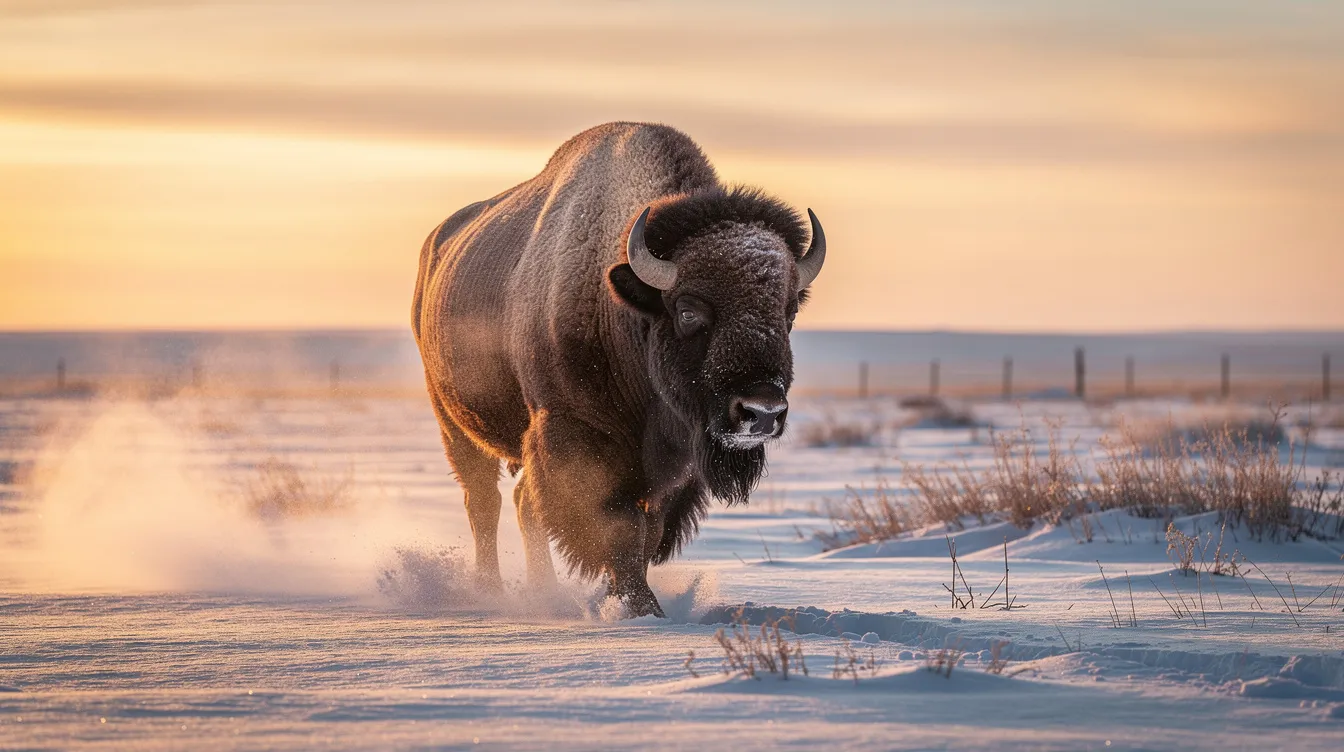
- Field experience and patience. Patience is crucial for successful wildlife photography or painting. The best artists spend long hours in the wild, waiting in winter conditions to photograph bison in blowing snow or to sketch a bull elk bugling at dawn in the Rockies.
- Deep knowledge of the natural world. Many top artists study biology, ecology, or natural history, ensuring anatomical accuracy. This is why certain wildlife photos and paintings feel alive rather than lost in superficial detail.
- Technical mastery. In painting, this means control of brushwork, colour, and composition on canvas. In photography, it includes timing, exposure, lens choice, and careful post-processing for fine art prints.
- Storytelling and emotion. The best piece of wildlife art shows a moment, a great horned owl poised to launch from a snowy spruce, a fox mid-hunt. The subject, the light, and the environment all work together.
- Conservation ethic. A strong conservation commitment is increasingly central. Studios like Jardene Photography use sales to raise awareness and support wildlife rehabilitation and habitat protection.
Collecting Canadian Wildlife Art and Prints
If you’re a homeowner, collector, or interior decorator considering Canadian wildlife art, here is what to keep in mind.
Originals vs. prints: Paintings and sculptures offer one-of-a-kind exclusivity, while limited edition photography or giclée prints provide beautiful, more accessible price points. Limited edition prints are produced in restricted quantities and are typically signed by the artist. They often increase in value over time due to scarcity, and collectors seek limited edition prints for their uniqueness. They are often accompanied by a certificate of authenticity.
Matching art to space:
| Room | Suggested Subjects |
|---|---|
| Living room/office | Large bison, elk, or landscape scenes |
| Bedroom/reading nook | Intimate bird or fox portraits |
| Statement wall | Dramatic aurora or mountain panoramas |
Consider supporting Canadian wildlife artists who give back to conservation. Archival materials and professional printing matter-look for museum-grade paper, fade-resistant inks, and proper framing. Online galleries and trade shows across Canada make it easy to view photos and artwork before purchasing.
How to Explore and Support Canadian Wildlife Artists Today
Wildlife artists, painters, sculptors, and photographers play a vital role in how we see, enjoy, and protect the natural world. Here are concrete ways to learn about and support their work:
- Visit local galleries in Calgary, Edmonton, Vancouver, and Toronto
- Attend the Calgary Stampede Art Show or explore Alberta’s parks, where many artists find their subjects
- Browse curated online collections and subscribe to artist newsletters for new releases, behind-the-scenes field stories, and conservation updates
Start or expand your collection with one or two carefully chosen pieces that reflect your personal connection to Canadian wildlife-a fine art print of bison on the Alberta plains, a wolf in fresh snow, or a beautiful mountain view at sunrise. Investing in this art enhances your home or office and helps sustain the artists and organizations working to safeguard wildlife and their habitats.
Ready to explore? Visit the Jardene Photography website to browse Canadian wildlife and landscape prints, and find content that brings the wild into your everyday life.