Click the categories below for the shop.
- Calendar3 products
- Fine Art Bison Photography Prints for Sale18 products
- Landscape18 products
- limited7 products
- Wildlife36 products
absolutely fabulous !

 Jerry Kozan
Very high quality photos and prints. Highly recommend!
 Emily Singh
High Quality Imagery! A+
 Brett Innis
Canadian Landscape Pictures
This photography gallery is a handpicked collection of the most popular prints from Jardene Photography.
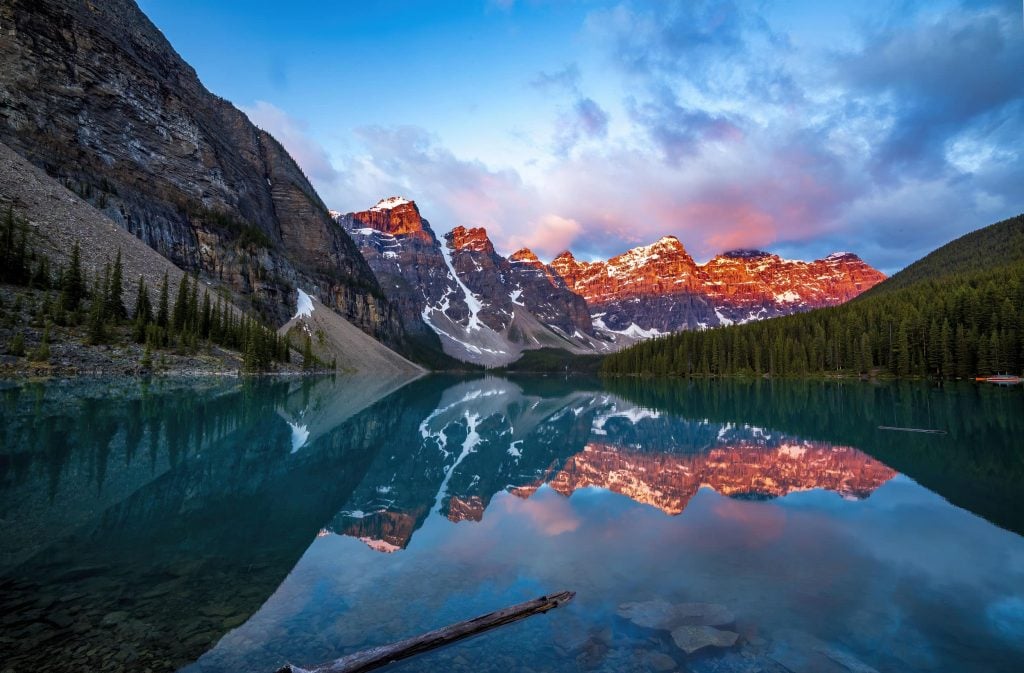
Jardene Photography has won several International Awards for its beautiful Nature Prints. The first awards were from the 6th Fine Art Photography Awards from London, England, in 2020. Moraine Lake Blue Hour, Astotin Lake Sunset, Two Jack Lake Blue Hour, and Two Jack Lake all won awards.
The next set of awards was for the 7th Fine Art Photography Awards from London, England, in 2021, where our photos, Moraine Lake Sunrise, and our City of Calgary Stampede ground won awards.
Recently, we won a Silver Award at the International Image Competition from Master’s Photographer International for our Nublet View.
Our Morant’s Curve won a Gold award in the Epson Panoramic Awards of 2021 and came 32nd out of 2619 entries.
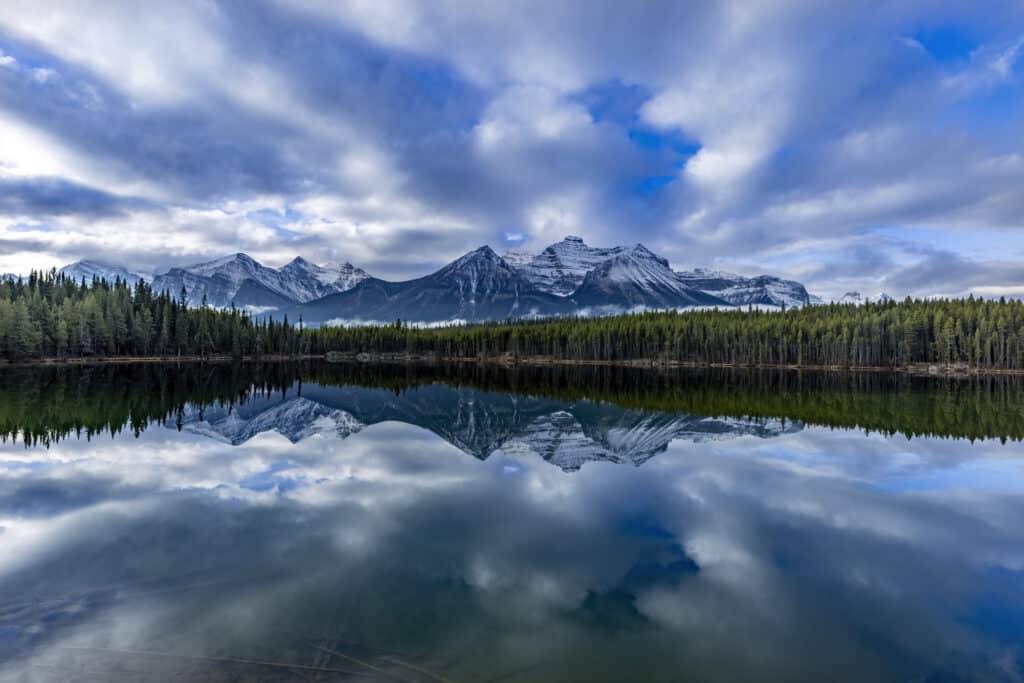
Apart from our award-winning photographs, we offer Canadian Landscape Pictures Prints from Lake Louise, Peyto Lake, Vermilion Lakes, Mt. Rundle, Three Sisters, Canmore, Lake Herbert, Spray Lakes, and Astotin Lake. We enjoy the reflection photography with these lakes.
Understanding the Basics of Landscape Photography
Landscape pictures from Jardene Photography begin with a deep understanding of the fundamentals of landscape photography. At its core, landscape photography is about capturing the natural environment in a way that conveys both scale and emotion. This includes mountains, lakes, forests, prairies, and even the subtle beauty of changing seasons. For photographers creating Canadian landscape pictures from Jardene Photography, the goal is not just documentation but storytelling—each image reflects a moment in time shaped by weather, light, and perspective.
A strong foundation involves understanding exposure, aperture, shutter speed, and ISO. These elements work together to create balanced, sharp, and visually appealing images. Canadian landscape pictures from Jardene Photography often rely on smaller apertures to ensure a large depth of field, allowing foreground and background elements to remain crisp and detailed. This is particularly important when capturing vast Canadian scenes where every detail matters.
Another essential aspect is location awareness. Canada offers diverse landscapes, from the rugged peaks of the Rockies to tranquil lakes and rolling foothills. Canadian landscape pictures from Jardene Photography highlight these environments by carefully selecting vantage points that emphasize natural beauty. Timing also plays a major role—early mornings and late evenings provide softer light and more dramatic skies.
Ultimately, mastering the basics ensures consistency and quality. Canadian landscape pictures from Jardene Photography stand out because they are built on these core principles, allowing each photograph to feel intentional and immersive.
Essential Equipment for Landscape Pictures
Creating exceptional landscape pictures from Jardene Photography requires the right equipment. While creativity and skill are vital, having reliable tools ensures that each moment is captured with precision. A high-resolution camera is essential, as it allows photographers to preserve fine details found in nature—from textures in rock formations to reflections on still water.
Lenses also play a crucial role. Wide-angle lenses are commonly used for Canadian landscape pictures from Jardene Photography because they capture expansive scenes and emphasize depth. Telephoto lenses, on the other hand, are useful for isolating distant subjects such as wildlife or mountain peaks. A sturdy tripod is another must-have, especially for long exposure shots during sunrise, sunset, or low-light conditions.
Filters are often used to enhance Canadian landscape pictures from Jardene Photography. Neutral density filters help manage bright light, while polarizing filters reduce glare and enhance colours, particularly in skies and water. These tools allow photographers to maintain control over their final image even in challenging conditions.
Weather protection is equally important in Canada’s unpredictable climate. Durable camera bags, lens cloths, and protective gear ensure that equipment remains functional in rain, snow, or wind. Canadian landscape pictures from Jardene Photography often involve shooting in extreme environments, making preparation essential.
By combining high-quality equipment with technical knowledge, landscape pictures from Jardene Photography achieve a level of clarity and professionalism that appeals to collectors and nature enthusiasts alike.
Composition Techniques for Stunning Landscapes
Composition is what transforms a simple photo into a compelling piece of art. Canadian landscape pictures from Jardene Photography rely heavily on strong compositional techniques to guide the viewer’s eye and create a sense of balance. One of the most widely used principles is the rule of thirds, where key elements are placed along grid lines to create a more dynamic image.
Leading lines are another powerful tool in Canadian landscape pictures from Jardene Photography. Whether it’s a winding river, a hiking trail, or a row of trees, these lines draw the viewer into the scene and add depth. Foreground interest is also crucial, as it provides context and scale, making vast landscapes feel more immersive.
Framing is often used to highlight focal points within Canadian landscape pictures from Jardene Photography. Natural elements like branches, rocks, or arching formations can create a visual frame that directs attention to the main subject. Symmetry and reflections, especially in lakes, add a sense of harmony and tranquillity.
Perspective plays a significant role as well. Changing the shooting angle—getting lower to the ground or higher above a scene—can dramatically alter the composition. Canadian landscape pictures from Jardene Photography frequently use unique perspectives to create fresh and engaging visuals.
By mastering these techniques, landscape pictures from Jardene Photography consistently deliver visually striking images that capture attention and evoke emotion.
The Importance of Lighting in Landscape Photography
Lighting is one of the most critical elements in creating breathtaking Canadian landscape pictures from Jardene Photography. Natural light shapes the mood, texture, and overall impact of an image. The golden hour, which occurs shortly after sunrise and before sunset, is especially valuable for landscape photographers. During this time, soft, warm light enhances colors and reduces harsh shadows.
Canadian landscape pictures from Jardene Photography often take advantage of these lighting conditions to create dramatic and visually appealing scenes. Blue hour, just before sunrise or after sunset, offers cooler tones and a serene atmosphere, ideal for capturing calm and reflective landscapes.
Weather also influences lighting. Cloudy skies can diffuse light, creating even exposure and highlighting subtle details. Stormy conditions add drama and intensity, making Canadian landscape pictures from Jardene Photography more dynamic and powerful.
Understanding how light interacts with the landscape is essential. Shadows can add depth and dimension, while highlights draw attention to key elements. Landscape pictures from Jardene Photography are carefully timed and planned to ensure optimal lighting conditions, resulting in images that feel vibrant and alive.
By mastering the use of natural light, Canadian landscape pictures from Jardene Photography achieve a level of visual impact that sets them apart in the world of nature photography.
Post-Processing Tips for Canadian Landscape Images
Post-processing is a crucial step in refining landscape pictures from Jardene Photography. While capturing a great image in-camera is important, editing allows photographers to enhance details, correct exposure, and bring their creative vision to life.
Software such as Adobe Lightroom and Photoshop is commonly used to adjust brightness, contrast, and color balance. Canadian landscape pictures from Jardene Photography often undergo subtle enhancements to maintain a natural look while emphasizing key elements. Over-editing is avoided to preserve authenticity.
Sharpening and noise reduction are also important, especially for images taken in low light. Landscape pictures from Jardene Photography maintain high clarity without sacrificing detail. Adjusting highlights and shadows helps balance the image and reveal hidden textures.
Color grading plays a significant role in creating mood. Warm tones can evoke a sense of comfort, while cooler tones create a calm and peaceful atmosphere. Canadian landscape pictures from Jardene Photography use color intentionally to enhance emotional impact.
Cropping and straightening are final touches that improve composition and alignment. These adjustments ensure that landscape pictures from Jardene Photography are polished and visually cohesive.
Through careful editing, each image reaches its full potential while staying true to the original scene.
Exploring Different Landscape Photography Styles
Canadian landscape pictures from Jardene Photography showcase a variety of styles, each offering a unique perspective on the natural world. Traditional landscape photography focuses on realistic representation, capturing scenes as they appear in nature. This style emphasizes clarity, detail, and natural color.
Fine art landscape photography takes a more creative approach. Canadian landscape pictures from Jardene Photography in this style may use unique compositions, lighting, and editing techniques to evoke emotion and artistic expression.
Panoramic photography is another popular style, allowing photographers to capture wide, sweeping views. Landscape pictures from Jardene Photography often use this technique to showcase the vastness of Canada’s landscapes.
Long exposure photography creates a sense of motion, smoothing water and clouds for a dreamlike effect. This technique is frequently used in Canadian landscape pictures from Jardene Photography to add a dynamic and ethereal quality.
Seasonal photography highlights the changing beauty of nature throughout the year. From vibrant autumn colors to snow-covered winter scenes, landscape pictures from Jardene Photography capture the diversity of Canada’s environment.
By exploring different styles, landscape pictures from Jardene Photography remain fresh, engaging, and visually diverse.
FAQ: Canadian Landscape Pictures from Jardene Photography
1. Where can I buy authentic landscape pictures from local photographers in Canada?
You can purchase authentic landscape pictures from Jardene Photography directly through their online gallery, offering original works captured across Canada.
2. Which Canadian companies offer high-quality landscape photography prints for sale?
Jardene Photography is a trusted Canadian company known for producing high-quality Canadian landscape pictures from Jardene Photography with professional printing standards.
3. What are the top-rated Canadian landscape photography studios near me?
Top-rated studios include Jardene Photography, recognized for its premium landscape pictures from Jardene Photography and strong reputation among collectors.
4. Where can I find exclusive Canadian landscape photo art for home decor in Canada?
Exclusive Canadian landscape pictures from Jardene Photography are available through curated collections designed specifically for home and office decor.
5. Who are the best Canadian landscape photographers selling prints in Canada?
Jardene Photography stands out as a leading provider of landscape pictures from Jardene Photography, offering unique and professionally captured images.
6. Which Canadian photography businesses specialize in landscape pictures for sale?
Jardene Photography specializes in Canadian landscape pictures from Jardene Photography, focusing on nature and scenic imagery.
7. Where to find affordable Canadian landscape photography prints in Canada?
Affordable options for landscape pictures from Jardene Photography are available through various print sizes and formats to suit different budgets.
8. Which Canadian landscape photography studios provide limited edition prints in Canada?
Jardene Photography offers limited edition Canadian landscape pictures from Jardene Photography, ensuring exclusivity and value for collectors.
9. Where can I buy Canadian landscape photography gifts and prints in Canada?
You can purchase landscape pictures from Jardene Photography as gifts, with a wide range of options suitable for any occasion.
10. What Canadian companies provide shipping for Canadian landscape photographic prints across Canada?
Jardene Photography provides reliable shipping across Canada, making it easy to receive Canadian landscape pictures from Jardene Photography wherever you are located.