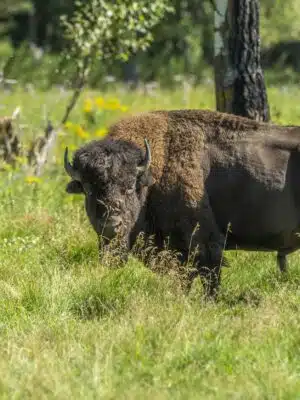
Jack Rabbit
Price range: $125.00 through $850.00
Jack Rabbit can be printed on Fine Art Paper, Canvas, Metallic or Acrylic. Fine Art prints are available in four materials and five sizes. Frames are available via special order. Prices are available on request. Shipping is added to special orders.
Description
This print can be printed on Fine Art Paper, Canvas, Metallic or Acrylic. Wildlife photography prints are available in four materials and five sizes. Frames are available via special order through our Calgary photography shop. For custom sizes or display options, please contact Jardene Photography. Shipping is added to special orders.
The Species of Jack Rabbit Found in Calgary
Calgary is home to two main species of jackrabbits: the White-tailed Jackrabbit (Lepus townsendii) and the Black-tailed Jackrabbit (Lepus californicus). These species, though similar in appearance, have distinct characteristics that set them apart. The White-tailed Jackrabbit is known for its larger size and distinctive white tail, which is prominently displayed when it hops away. This species is more commonly found in the northern parts of Calgary, where the open grasslands provide an ideal habitat.
On the other hand, the Black-tailed Jack Rabbit is slightly smaller and has a black-tipped tail. This species tends to inhabit the southern regions of Calgary, where the semi-arid conditions mimic its native environment. Both species exhibit remarkable adaptation skills, allowing them to thrive in the varied landscapes of the Calgary region. These jackrabbits are integral to the local ecosystem, serving as prey for numerous predators and thus maintaining the ecological balance.
For wildlife enthusiasts, distinguishing between these two species can be an exciting challenge, especially for those interested in Alberta nature photography by Andy Denton. Observing their unique physical traits and behaviours not only enhances the wildlife watching experience but also contributes to a deeper understanding of the ecological dynamics within Calgary. Whether you’re traversing the northern grasslands or the southern semi-arid zones, the presence of these jack rabbits adds a layer of intrigue to the natural beauty of the region.
0.1 Habitat and Distribution of the White Tailed Jackrabbit in the Calgary Region
The diverse landscapes of Calgary provide an extensive range of habitats for jackrabbits. Both the White-tailed Jack Rabbit and Black-tailed Jackrabbit are lagomorphs, but this comparison mainly comes down to habitat and range rather than major differences in body plan. The White-tailed Jack Rabbit, for instance, is frequently spotted in the expansive prairies and agricultural fields that stretch across northern Calgary. These areas offer ample cover and a rich supply of food, making them ideal for this species.
In contrast, the Black-tailed Jackrabbit is more commonly found in the southern parts of Calgary, where the terrain transitions into semi-arid shrublands. These regions, with their sparse vegetation, rocky outcrops, and patches of big sagebrush, suit the Black-tailed Jack Rabbit’s preference for drier conditions and help its brown coat blend into the landscape. More broadly, this species is strongly associated with western habitats and is widely distributed across the western United States. Interestingly, both species have also been observed in urban and suburban settings, particularly in parks and green belts, where they find refuge and food sources amidst human developments, including some of Alberta’s major urban parks.
The distribution of jackrabbits in Calgary is influenced by seasonal changes and food availability. During the warmer months, they are more active and can be seen foraging in fields and meadows. Come winter, these resilient creatures adapt by seeking shelter in denser vegetation and relying on their keen senses to avoid predators. Understanding their habitat preferences and distribution patterns enhances the chances of observing these fascinating animals in their natural settings.
0.2 Unique Characteristics of Black Tailed Jackrabbits
Jackrabbits are actually hares in the genus Lepus, not true rabbits, and they are larger than true rabbits with longer legs and ears, which makes them fascinating subjects for wildlife enthusiasts. One of the most notable features is their large ears, which serve a dual purpose. These oversized ears not only provide acute hearing to detect predators from a distance, but also help cool the animal by regulating body temperature. The extensive network of blood vessels in their ears dissipates heat, keeping them cool in the hot Calgary summers, and they often feature in Alberta nature and wildlife galleries.
Another remarkable trait is their incredible speed and agility. Jack rabbits can run up to 40 miles per hour, making them one of the fastest land animals in North America. This speed, coupled with their powerful hind legs, enables them to make rapid zig-zag movements to evade predators, and when fleeing danger, they may flash the white underside of their tails. Their strong hind limbs also allow them to make impressive leaps, covering distances of up to 20 feet, or about 6 meters, in a single bound. This agility is not only a defence mechanism but also an impressive display of their physical prowess.
Jack rabbits also have a unique reproductive strategy known as induced ovulation, where the act of mating triggers ovulation. This ensures a high reproductive success rate, allowing jackrabbits to produce multiple litters each year. Each litter can consist of up to six leverets (young jackrabbits), which are born fully furred and with their eyes open, ready to fend for themselves within a few days. These reproductive traits contribute to the resilience and survival of jack rabbit populations in Calgary, and the name jackrabbit originally came from “jackass rabbit.”
0.3 Diet and Feeding Habits of the Antelope Jackrabbit
Jackrabbits are herbivores, and their diet shifts with the seasons based on what is available throughout the year. During the spring and summer months, they prefer tender, green vegetation for growth and reproduction. Grasses such as bluegrass and wheatgrass are among their favourites, along with wildflowers, clover, and cacti. They usually do not need open water because they can obtain moisture from succulent plants and other water-rich vegetation.
As the seasons change and food becomes scarcer, jack rabbits adapt by focusing their winter feeding on woody vegetation, including shrubs, twigs, and bark. This ability to consume a wide range of vegetation helps them survive the harsh Calgary winters, when green plants are not readily available, and black-tailed jackrabbits in particular rely on moisture from such water-rich forage during dry periods. Jackrabbits also practice coprophagy, the consumption of their own feces, to maximize nutrient absorption. This behaviour allows them to extract as many nutrients as possible from their food, ensuring they remain healthy and active throughout the year.
Observing jack rabbits while they feed can provide fascinating insights into their foraging behaviour and dietary preferences, much like studying bison behaviour through fine art photography. They are crepuscular feeders, meaning they are most active during the early morning and late evening hours. This feeding pattern helps them avoid the heat of the day and reduces their exposure to predators. For wildlife enthusiasts, these quiet hours offer the best opportunities to observe jack rabbits as they nibble on grasses and shrubs, showcasing their gentle and methodical feeding habits.
Behaviour and Social Structure
Jackrabbits are generally solitary animals, coming together only during the breeding season. On moonlit nights, they may occasionally gather in groups of 25 or more. Their solitary nature is a survival strategy, reducing the likelihood of detection by predators. However, they do communicate with each other through a range of vocalizations and body language. One common behaviour is thumping their hind legs on the ground to signal danger, a warning that can be heard by other jack rabbits in the vicinity.
During the breeding season, which for white-tailed jackrabbits typically runs from February to July, males engage in competitive displays to attract females. These displays often involve chasing and boxing, where two males stand on their hind legs and “box” each other with their front paws. These behaviours are not only fascinating to observe but also play a crucial role in the social dynamics of jackrabbit populations.
Female jack rabbits, or does, are responsible for raising the young. After a gestation period of about 42 days, the doe gives birth to a litter of leverets in a shallow depression or form, which she lines with fur and grasses; unlike true rabbits, jackrabbits do not use burrows. Depending on the climate, females can have 2 to 7 litters per year. The young are born fully furred and with open eyes, then are nursed for a few weeks before they are weaned and begin to forage independently. This early independence is vital for their survival, as it reduces the likelihood of predation. Understanding these behaviours and social structures adds depth to our appreciation of jackrabbits and their complex lives.
Tips for Observing Jack Rabbits Safely
Observing jackrabbits in their natural habitat can be a rewarding experience, but it’s important to do so responsibly to ensure the safety of both the animals and the observers. One of the key tips for wildlife enthusiasts is to maintain a respectful distance. Jackrabbits are naturally wary of humans and can be easily startled. Using binoculars or a camera with a zoom lens allows for close-up views without causing distress to the animals.
Timing is also crucial when planning to observe jack rabbits, just as it is when visiting the best birding locations in Canada for wildlife viewing. Jackrabbits are primarily nocturnal and crepuscular, so the best times to see them are during the early morning and late evening hours. These times not only coincide with their peak activity periods but also offer beautiful lighting for photography. Moving quietly and slowly is essential, as sudden movements or loud noises can cause jackrabbits to flee. Wearing neutral clothing that blends with the natural environment can also help you remain inconspicuous.
Another important tip is to be aware of your surroundings and respect the habitat. Avoid trampling vegetation or disturbing potential shelters, such as tall grasses and shrubs. If you come across a form with young leverets, it’s best to observe from a distance and leave the area undisturbed. Young leverets and white-tailed jackrabbits that turn white in winter rely on camouflage, so watch carefully and avoid approaching hidden animals. Using established trails and pathways minimizes your impact on the habitat and reduces the risk of inadvertently harming the animals, a key principle in protected areas such as Griffith Woods Park in Calgary. By following these tips, you can enjoy the thrill of observing jack rabbits while contributing to their conservation.
0.6 Conservation Status and Threats to the Tailed Jackrabbit
The conservation status of jackrabbits in Calgary varies between the two species. The White-tailed Jackrabbit is generally considered to be of least concern, with stable populations across its range. However, the Black-tailed Jack Rabbit faces more significant threats, particularly due to habitat loss and fragmentation. Black-tailed jackrabbit populations can also be cyclical and vary from year to year. Urban development, agriculture, and infrastructure projects have led to the reduction and isolation of suitable habitats, impacting the population dynamics of this species.
Predation is another major threat to jack rabbits. Natural predators in the Calgary region include coyotes, foxes, and birds of prey such as hawks and eagles. While predation is a natural part of the ecosystem, human activities can exacerbate its impact. For example, the construction of roads and fences can alter predator-prey dynamics, making jackrabbits more vulnerable. Additionally, domestic pets, particularly dogs and cats, can pose a significant threat if they are allowed to roam freely in areas where jackrabbits are present.
Conservation efforts for jack rabbits focus on habitat preservation and restoration. Protecting large tracts of native grasslands and shrublands is crucial for maintaining healthy populations. Initiatives to create wildlife corridors that connect fragmented habitats can also help ensure genetic diversity and resilience. North America has six recognized species of jackrabbits. The Tehuantepec jackrabbit is considered critically endangered because of habitat loss and overhunting, and it is also regarded as one of the most endangered mammals. Public education and awareness campaigns play a vital role in engaging the community in conservation efforts, fostering a sense of stewardship and appreciation for these remarkable animals.
Local Wildlife Organizations and Resources
Several local wildlife organizations in Calgary are dedicated to the conservation of jack rabbits and other native species. The Calgary Wildlife Rehabilitation Society (CWRS) is one such organization, providing care for injured and orphaned wildlife, including jackrabbits. The CWRS also offers educational programs and resources to promote wildlife conservation and coexistence. Their efforts are supported by a network of volunteers and wildlife enthusiasts who contribute their time and expertise.
Another important organization is the Alberta Institute for Wildlife Conservation (AIWC), which focuses on the rescue, rehabilitation, and release of injured and orphaned wildlife. The AIWC also conducts research and advocacy to address conservation issues affecting jack rabbits and other species. Their educational outreach programs aim to raise awareness about the importance of preserving natural habitats and fostering a harmonious relationship between humans and wildlife.
For those interested in contributing to jackrabbit conservation, participating in citizen science projects can be a rewarding way to get involved. Initiatives such as the Alberta Biodiversity Monitoring Institute (ABMI) encourage volunteers to collect data on local wildlife populations, including jack rabbits. This data is invaluable for informing conservation strategies and monitoring the health of ecosystems. By supporting these organizations and participating in conservation efforts, wildlife enthusiasts can make a meaningful impact on the preservation of Calgary’s natural heritage, even choosing wildlife photography calendars that support ongoing conservation work.
Conclusion: Embracing Calgary’s Natural Heritage
Calgary’s jack rabbits are more than just captivating creatures; they are integral to the region’s rich biodiversity and natural heritage. By understanding their habits, habitats, and unique characteristics, wildlife enthusiasts can deepen their appreciation for these remarkable animals. Observing jackrabbits in the wild offers an opportunity to connect with nature, fostering a sense of wonder and respect for the intricate web of life that sustains our planet.
As we explore the diverse landscapes of Calgary, from the northern grasslands to the southern shrublands, we are reminded of the importance of conservation. Protecting the habitats of jack rabbits and other native species is essential for maintaining the ecological balance and ensuring the survival of these animals for future generations. By following responsible wildlife observation practices and supporting local conservation efforts, we can contribute to the preservation of Calgary’s natural heritage.
Whether you are a seasoned wildlife enthusiast or a curious observer, the world of Calgary’s jack rabbits offers endless opportunities for discovery and inspiration. Embrace the adventure of exploring the wild, and let the presence of these agile and resilient creatures remind you of the beauty and complexity of nature. In doing so, we not only enrich our own lives but also honour the remarkable inhabitants of the wild that call Calgary home.
Related products
-

Wood Bison vs Plains Bison Size
Price range: $125.00 through $850.00 Select options This product has multiple variants. The options may be chosen on the product page -

Bison Dust Cloud
Price range: $125.00 through $850.00 Select options This product has multiple variants. The options may be chosen on the product page -

Young Great Horned Owl
Price range: $125.00 through $850.00 Select options This product has multiple variants. The options may be chosen on the product page -

Plains Bison in Woodland
Price range: $125.00 through $850.00 Select options This product has multiple variants. The options may be chosen on the product page